

When people plan their first trip to Japan, the route is often familiar: Tokyo, Kyoto, Osaka, and perhaps Hiroshima.
But Japan has so much more to offer beyond this well-known “Golden Route.”
If you look north from Tokyo, you’ll find Tohoku, a large and fascinating region in the northeastern part of Honshu, Japan’s main island.
Tohoku is known for beautiful mountains, snowy landscapes, hot springs, traditional culture, local food, historic towns, and dramatic coastlines. It is also home to some of Japan’s most interesting regional festivals and train journeys.
For international travelers, Tohoku is still often overlooked. And that is exactly what makes it so appealing.
If you have already explored Tokyo, Kyoto, and Osaka and want to see a quieter and more local side of Japan, Tohoku is a region worth adding to your itinerary.
What Is the Tohoku Region?
Tohoku is the northeastern region of Honshu and consists of six prefectures:
- Aomori
- Akita
- Iwate
- Yamagata
- Miyagi
- Fukushima
It is a huge region, and each prefecture has a very different personality.
You can visit lively cities such as Sendai, walk through historic castle towns, explore remote mountain areas, relax in traditional hot springs, eat incredible local food, or travel along the Pacific coast.
That variety is one of the best things about Tohoku.
It is difficult to experience the whole region in one trip, so I recommend choosing a few areas rather than trying to see everything at once.
Why Should You Visit Tohoku?
1. See a Different Side of Japan
Tokyo is exciting. Kyoto is beautiful. Osaka is fun.
But Japan is not only its most famous cities.
Tohoku gives you the opportunity to experience a different side of the country: smaller cities, local restaurants, quiet temples, mountain villages, regional trains, traditional festivals, and landscapes that change dramatically with the seasons.
You may not find a world-famous attraction around every corner.
Instead, you may find a small café in an old building, an excellent local noodle restaurant, a peaceful shrine, or a train ride with almost no other international tourists.
For me, that is part of the charm.
2. Tohoku Is Easier to Reach Than You Might Think
Tohoku may look far away on a map, but traveling there from Tokyo is surprisingly straightforward.
The Tohoku Shinkansen connects Tokyo with major destinations including Sendai, Fukushima, Morioka, and Shin-Aomori.
Sendai, the largest city in Tohoku, is particularly easy to visit from Tokyo and makes an excellent introduction to the region.
Once you leave the major cities, however, transportation can become more complicated. Some coastal and mountain areas are best explored with local trains, buses, or a rental car.
That is one reason why planning your route carefully is important.
3. Tohoku Is Beautiful in Every Season
One of the biggest reasons I recommend Tohoku is its seasonal variety.
Spring brings cherry blossoms, with some areas blooming later than Tokyo and Kyoto.
Summer is festival season, with spectacular events such as the Aomori Nebuta Festival.
Autumn brings colorful mountains, forests, and temple gardens.
Winter transforms parts of Tohoku into a snowy wonderland, making it an excellent destination for hot springs and winter scenery.
If you have already visited Japan during the popular spring or autumn seasons, Tohoku can also give you a different perspective on these seasons.
The Six Prefectures of Tohoku
Each of Tohoku’s six prefectures deserves its own trip. Here is a quick introduction to help you decide where to start.
Aomori Prefecture
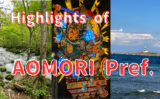
Aomori is the northernmost prefecture on Honshu and one of the best places in Japan to experience dramatic seasonal changes.
It is famous for the Aomori Nebuta Festival, enormous illuminated floats, and delicious apples.
Nature lovers can explore places such as Lake Towada, Oirase Stream, and the Shirakami Sanchi area.
Aomori is also an excellent destination for travelers who enjoy unusual landscapes, traditional festivals, and rural Japan.
Don’t miss: Aomori City, Hirosaki, Lake Towada, Oirase Stream, Shirakami Sanchi, and the Nebuta Festival.
Akita Prefecture
Akita is located on the Sea of Japan side of Tohoku and is famous for the Akita Inu, one of Japan’s most recognizable dog breeds.
The prefecture is also home to beautiful natural areas, traditional culture, and heavy winter snowfall.
The Shirakami Sanchi extends into Akita as well as neighboring Aomori, making this region especially attractive to nature lovers.
Akita is a good choice if you want to get away from Japan’s major tourist cities and explore a quieter part of the country.
Don’t miss: Akita City, Kakunodate, Lake Tazawa, Nyuto Onsen, and the Akita Inu.
Iwate Prefecture
Iwate is one of the largest prefectures in Japan by area, and its enormous size means that there is a lot to explore.
Morioka, the prefectural capital, is a relaxed regional city known for its local food and traditional architecture.
Further south, Hiraizumi is famous for its Buddhist temples and gardens and is a UNESCO World Heritage Site.
The Pacific coast offers dramatic scenery along the Sanriku Coast, while the interior is filled with mountains and rural landscapes.
Iwate is also particularly interesting for Pokémon fans.
Don’t miss: Morioka, Hiraizumi, the Sanriku Coast, Geibikei Gorge, and the Pokémon With You Train.

Yamagata Prefecture
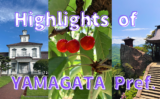
Yamagata is a fantastic destination for travelers who love mountains, hot springs, history, and local food.
The prefecture is famous for its cherries and is divided into several distinct regions, each with its own character.
One of its best-known attractions is Yamadera, a historic temple complex built into the mountainside.
Yamagata is also home to famous hot spring destinations such as Ginzan Onsen and sacred mountains associated with Dewa Sanzan.
Winter can be particularly beautiful here, especially when snow covers the mountains and traditional hot spring towns.
Don’t miss: Yamadera, Ginzan Onsen, Dewa Sanzan, Yamagata City, and Yonezawa.
Miyagi Prefecture
Miyagi is home to Sendai, the largest city in Tohoku.
Sendai is one of the easiest places to begin exploring the region because it combines convenient transportation with access to history, nature, and excellent local food.
Outside the city, you can visit Matsushima, one of Japan’s most famous scenic spots, or explore coastal towns such as Ishinomaki and Kesennuma.
Miyagi also has a strong connection with Pokémon, including Lapras-themed attractions and Poké Lids.
Don’t miss: Sendai, Matsushima, Akiu Onsen, Shiogama, Ishinomaki, and Kesennuma.

Fukushima Prefecture
Fukushima is a particularly diverse prefecture.
It is divided into three broad areas: Hamadori along the Pacific coast, Nakadori in the center, and Aizu in the west.
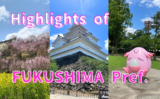
Aizu is especially interesting for travelers who enjoy Japanese history. Aizuwakamatsu is known as a castle town with strong connections to the samurai era and the Boshin War.
Fukushima is also a great destination for hot springs, local food, fruit, and Pokémon fans.
It is important to remember that Fukushima is a large prefecture, and conditions vary considerably from one area to another. The effects of the 2011 Great East Japan Earthquake, tsunami, and nuclear accident are part of the region’s modern history, but they do not define the entire prefecture.
Don’t miss: Aizuwakamatsu, Tsuruga Castle, Ouchi-juku, Lake Inawashiro, and the hot spring areas.
What Can You Do in Tohoku?
You don’t have to choose Tohoku simply because you want to “see another part of Japan.”
The region offers many different kinds of travel experiences.
Explore Japanese History
Tohoku has strong connections to samurai history, feudal domains, Buddhism, Shinto traditions, and the late Edo period.
Aizuwakamatsu in Fukushima is particularly interesting if you are fascinated by samurai history and the Shinsengumi.
Yamagata and Hiraizumi offer completely different historical experiences, from mountain worship to Buddhist temples and gardens.
Stay at a Traditional Japanese Onsen
Tohoku is an excellent region for hot spring lovers.
There are famous onsen towns as well as smaller hot spring inns tucked away in the mountains.
And if you visit in winter, soaking in an outdoor bath while surrounded by snow is one of the experiences I would put high on any Japan winter bucket list.
Enjoy Local Food
Every prefecture has its own specialties.
You can try:
- Morioka’s famous local noodles
- Sendai’s gyutan
- Yamagata beef and cherries
- Aomori apples and seafood
- Fukushima’s local dishes
- Fresh seafood along the Sanriku Coast
One of my favorite things about traveling around Tohoku is that food is often closely connected to the region itself.
Take Scenic and Unusual Train Journeys
If you love Japanese trains, Tohoku is especially rewarding.
The region has several sightseeing trains and scenic railway journeys.
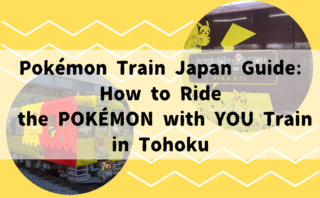
One of the most unusual is the POKÉMON with YOU Train, which runs between Ichinoseki in Iwate Prefecture and Kesennuma in Miyagi Prefecture.
It is a great example of what makes traveling around Tohoku fun: sometimes the journey itself becomes the destination.
Explore Pokémon Around Tohoku
Tohoku is surprisingly good for Pokémon fans.
You can find:
- Pokémon Center Tohoku in Sendai
- Lapras-themed attractions in Miyagi
- Geodude-related attractions in Iwate
- Chansey Parks in Fukushima
- Pokémon-themed manhole covers known as Poké Lids
- The POKÉMON with YOU Train
If you are planning a Pokémon-themed trip, Tohoku deserves serious consideration.
Tohoku in Spring, Summer, Autumn, and Winter
Spring in Tohoku
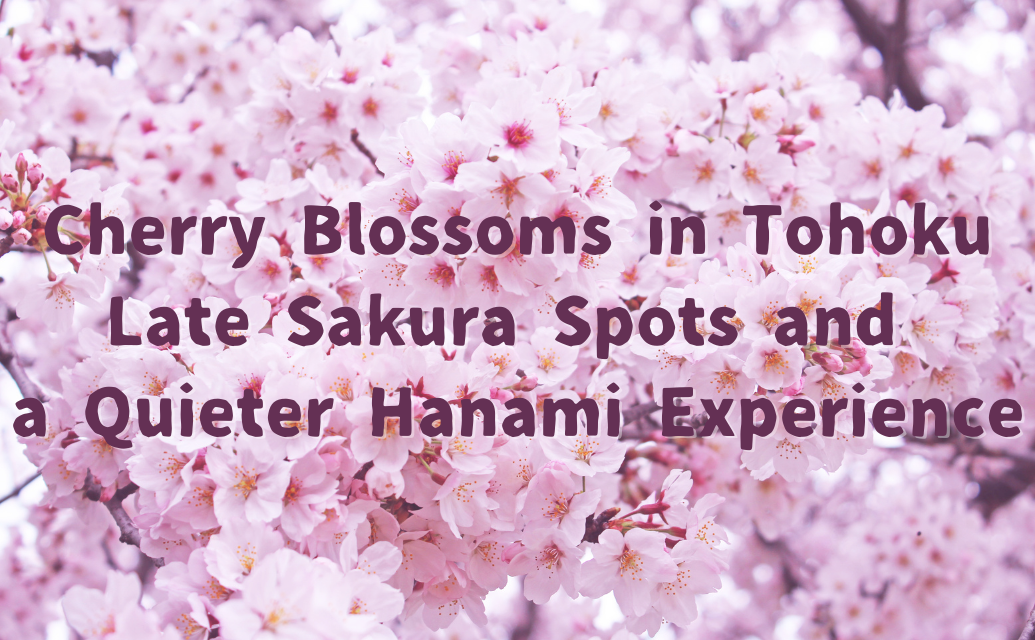
Spring arrives later in many parts of Tohoku than in Tokyo, Kyoto, or Osaka.
This makes the region an interesting option if you miss the peak cherry blossom season in the major cities.
Aomori, for example, is famous for the cherry blossoms around Hirosaki Park.
Spring is also a great time for exploring mountains and countryside as the snow begins to disappear.
Summer in Tohoku
Summer is festival season.
The Aomori Nebuta Festival is probably the most famous example, but festivals take place throughout the region.
Summer is also a good season for hiking, exploring the mountains, and enjoying the cooler northern climate in some areas.
Autumn in Tohoku
Autumn is one of the most beautiful seasons in Tohoku.
The region’s mountains and forests create spectacular fall colors, and there are plenty of temples, lakes, hiking trails, and scenic train routes from which to enjoy them.
If you love autumn foliage but want to get away from the busiest tourist areas, Tohoku is worth considering.
Winter in Tohoku
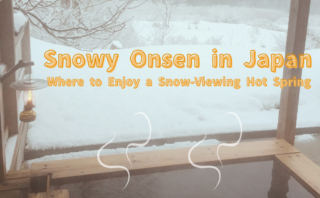
Winter completely changes the landscape.
Snow-covered mountains, traditional inns, frozen landscapes, and outdoor hot springs create a very different atmosphere from the Japan most first-time visitors experience.
Yamagata, Aomori, Akita, and parts of Iwate, Miyagi and Fukushima receive significant snowfall.
Just remember that heavy snow can also affect transportation, so always check conditions when planning a winter trip.
How to Travel Around Tohoku
For many travelers, the easiest way to enter Tohoku is by Shinkansen from Tokyo.
Sendai is a particularly convenient first destination, while the Tohoku Shinkansen continues north toward Morioka and Shin-Aomori.
However, Tohoku is huge.
You should not assume that moving between two places that look close together on a map will be quick.
Some destinations are connected by local trains, while others require buses or a car.
For a first trip, I recommend building your itinerary around one or two areas rather than trying to cover all six prefectures.
Should You Rent a Car in Tohoku?
It depends on where you are going.
If you are visiting major cities such as Sendai or Morioka, you can often travel without a car.
For rural areas, mountain destinations, remote onsen, and some coastal areas, however, a rental car can make your trip much easier.
This is one of the biggest differences between traveling around Tohoku and traveling around Tokyo or Kyoto.
How Many Days Do You Need in Tohoku?
There is no single correct answer because Tohoku is so large.
2–3 Days
Choose one base such as Sendai.
You could combine Sendai with Matsushima or an onsen trip.

4–5 Days
You can start combining destinations.
For example, you could explore Sendai and Yamagata, or Sendai and Fukushima.
7 Days or More
With a week or longer, you can explore several parts of Tohoku and make the journey itself part of the experience.
This is where scenic trains, local railways, hot spring stays, and smaller cities become especially interesting.
I would still avoid trying to “complete” all six prefectures in one trip.
Tohoku rewards slow travel.
Is Tohoku Worth Visiting?
Absolutely — especially if you have already seen Japan’s most famous destinations.
Tohoku may not have the same international recognition as Tokyo or Kyoto, but that is part of its appeal.
Here, you can experience a Japan of regional cities, local food, mountain temples, hot springs, traditional festivals, snowy landscapes, and long train journeys.
You can also learn about the region’s complex modern history, including the devastating impact of the 2011 Great East Japan Earthquake and tsunami and the ongoing process of reconstruction.
Most importantly, Tohoku is not one single destination.
Aomori feels different from Akita.
Iwate feels different from Miyagi.
Yamagata feels different from Fukushima.
That is why I want to keep adding more Tohoku guides to Japan Sprinkles.
I’ll introduce individual cities, attractions, food, transportation, seasonal experiences, and some of the more unusual places I’ve discovered along the way.
So if you are looking for somewhere beyond Japan’s Golden Route, take a look north.
Tohoku might become one of your favorite parts of Japan.