Miyagi Prefecture is one of the best places to explore when traveling through Japan’s Tohoku region. Home to Sendai, the largest city in Tohoku, Miyagi offers a wonderful mix of urban attractions, historic sites, hot spring towns, mountain scenery, and fresh seafood from the Pacific coast.
Many visitors come for the spectacular islands of Matsushima Bay or Sendai’s famous beef tongue, but there is much more to discover. You can explore the history of the Date clan, relax in a traditional hot spring town, visit a manga museum, or travel along the coast to experience the local culture and cuisine.
In this guide, I’ll introduce the best places to visit in Miyagi, what to eat, souvenirs to look for, and practical tips for planning your trip.
- Why Visit Miyagi Prefecture?
- Best Places to Visit in Miyagi
- 1. Sendai: History, Food, and City Life
- 2. Matsushima Bay: One of Japan’s Most Scenic Views
- 3. Ishinomaki, Minamisanriku, and Kesennuma: Explore the Pacific Coast
- 4. Akiu, Sakunami, and Naruko: Enjoy Miyagi’s Hot Springs
- 5. Shiroishi and Zao: Mountains, History, and Foxes
- 6. Tagajo: A Quiet Stop for Book Lovers
- What to Eat in Miyagi
- Recommended Souvenirs from Miyagi
- Best Time to Visit Miyagi
- How to Get to Miyagi
- Where to Stay in Miyagi
- Final Thoughts: Discover More Than Sendai
Why Visit Miyagi Prefecture?
Miyagi is a great destination for travelers who want to experience several sides of Japan in one trip.
- History and culture: Discover the legacy of Date Masamune in Sendai and visit historic temples and shrines.
- Beautiful scenery: Enjoy the islands of Matsushima Bay, mountain landscapes, and colorful autumn leaves.
- Hot springs: Relax in traditional onsen towns such as Akiu, Sakunami, and Naruko.
- Local food: Try Sendai beef tongue, zunda sweets, fresh seafood, and seasonal oysters.
- Coastal communities: Explore fishing towns and learn about the recovery and ongoing life of communities affected by the 2011 Great East Japan Earthquake and tsunami.
Sendai is also easy to reach from Tokyo by the Tohoku Shinkansen, making Miyagi a convenient starting point for a wider trip around Tohoku.
Best Places to Visit in Miyagi
1. Sendai: History, Food, and City Life
Sendai is the prefectural capital and the natural base for exploring Miyagi. It has shopping streets, restaurants, museums, historic sites, and convenient transportation to other parts of the prefecture.
Sendai Castle Ruins

Sendai Castle, also known as Aoba Castle, was built by Date Masamune, the powerful feudal lord who established Sendai as his base. The original castle buildings no longer remain, but you can see sections of the stone walls and enjoy views over the city.
The statue of Date Masamune on horseback is one of Sendai’s best-known landmarks. It is a good place to begin exploring the history of the city.
Zuihoden Mausoleum
Zuihoden is the mausoleum of Date Masamune. Its elaborate decorations and colorful wooden architecture make it very different from many other historic sites in Japan.
If you are interested in samurai history, this is a worthwhile stop to learn more about the Date family and the history of the Sendai Domain.
Sendai Tanabata Festival
The Sendai Tanabata Festival is held in early August and is famous for its enormous, colorful paper decorations displayed throughout the shopping streets.
Tanabata is traditionally associated with the story of two celestial lovers who are allowed to meet once a year. Sendai celebrates the occasion on a particularly grand scale.
If you visit during the festival, expect large crowds and book accommodation well in advance.
2. Matsushima Bay: One of Japan’s Most Scenic Views
Matsushima Bay is famous for its many small islands covered with pine trees. Its distinctive scenery has long been celebrated as one of Japan’s Three Views, a traditional list of the country’s most celebrated landscapes.
You can enjoy the view from the shore, but taking a sightseeing boat around the bay is one of the best ways to appreciate the islands.
Take a Sightseeing Cruise
A boat cruise lets you see the unusual shapes of the islands and the pine trees growing along their rocky surfaces. Some services operate around the bay, while other routes connect Matsushima and Shiogama.
Check the route and timetable before traveling, especially if you plan to use the boat as transportation between the two towns.
Visit Zuiganji Temple
Zuiganji is an important Zen Buddhist temple with a long history and close connections to Date Masamune. Its traditional architecture and peaceful atmosphere offer a different experience from the coastal scenery.
Godaido Temple, located on a small island near the waterfront, is another popular stop.
Enjoy Seafood in Shiogama
Shiogama, near Matsushima, is known for its fishing port and sushi restaurants. If you love seafood, consider combining Matsushima’s scenery with a meal in Shiogama.
Fresh fish and seasonal seafood are major highlights of this part of Miyagi.
3. Ishinomaki, Minamisanriku, and Kesennuma: Explore the Pacific Coast
Miyagi’s Pacific coast offers a different kind of travel experience. Fishing ports, seafood markets, small coastal communities, and museums provide opportunities to learn about the region beyond its most famous sightseeing spots.
The area was severely affected by the Great East Japan Earthquake and tsunami on March 11, 2011. Visiting responsibly means recognizing both the tragedy and the continuing lives, businesses, and communities along the coast.
Ishinomori Manga Museum in Ishinomaki

Ishinomaki is home to the Ishinomori Manga Museum, dedicated to manga artist Shotaro Ishinomori, creator of works including Cyborg 009 and Kamen Rider.
The museum stands near the waterfront, and you can spot character statues around the city as you walk from Ishinomaki Station.
If you enjoy Japanese manga and pop culture, this is a fun destination to add to your Miyagi itinerary.
Minamisanriku
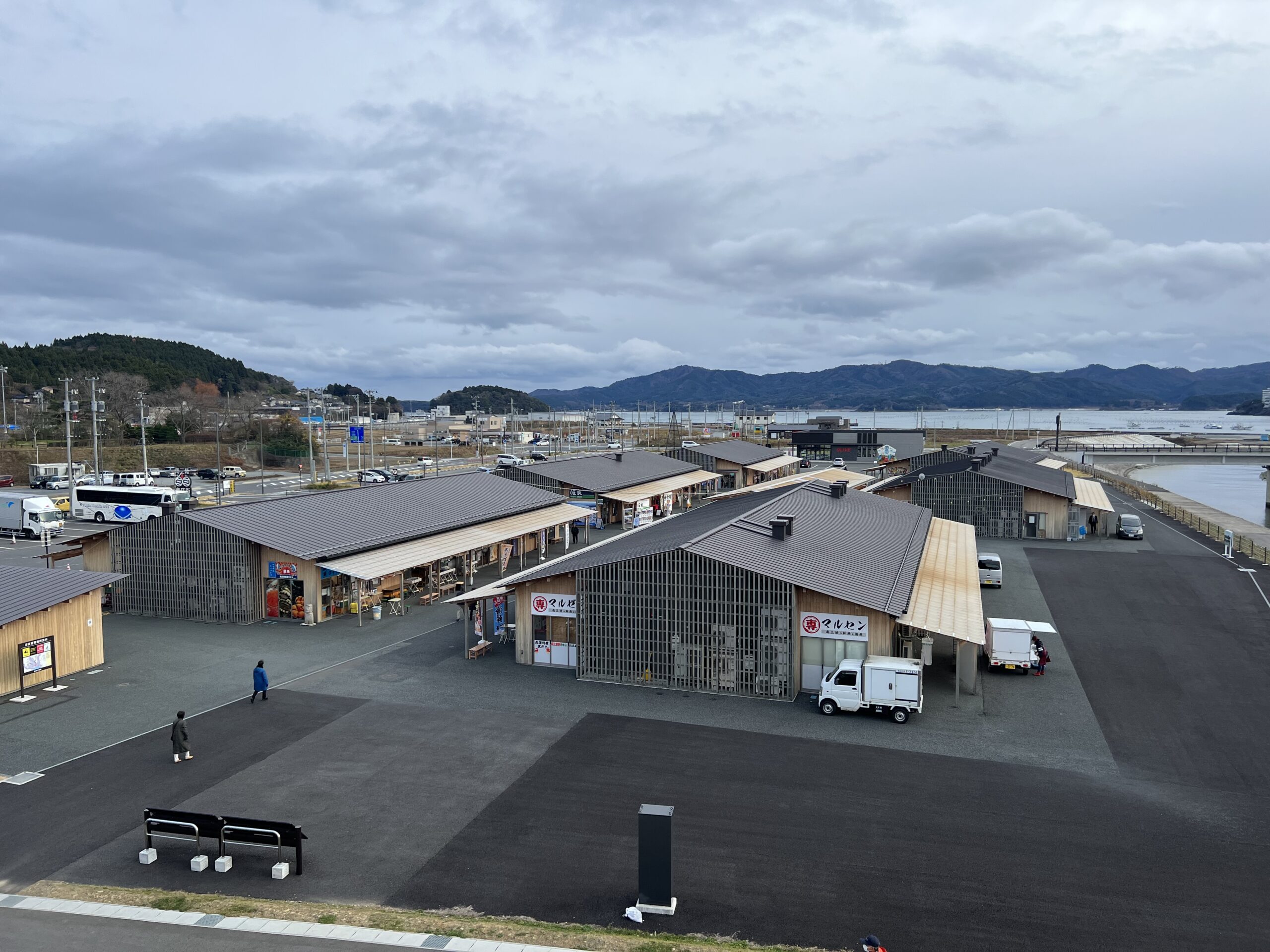
Minamisanriku is a coastal town with a strong connection to the 2011 disaster and the recovery that followed.
Visitors can learn about the disaster through memorial facilities and local museums, while also supporting the town by visiting local shops and restaurants. Allow time to understand the place rather than treating it as just another sightseeing stop.
Kesennuma: Seafood and Coastal Culture
Kesennuma is one of Miyagi’s best-known fishing towns. Seafood is central to its identity, and the local food scene is a major reason to visit.
The city also makes a memorable destination for travelers who want to explore more of the Sanriku coastline rather than staying only in Sendai.
Ride the Pokémon With You Train
For Pokémon fans, there is another reason to explore this part of Tohoku: the Pokémon With You Train.
This special train runs between Ichinoseki in Iwate Prefecture and Kesennuma in Miyagi Prefecture on the JR Ofunato Line. Its Pokémon-themed interior makes the journey part of the experience, especially for families and fans of Pikachu.
The train does not operate like an ordinary daily commuter service, so check its current operating dates and reservation information before planning your trip.
For more details, read my guide to the Pokémon With You Train.
4. Akiu, Sakunami, and Naruko: Enjoy Miyagi’s Hot Springs
Miyagi has several hot spring areas, ranging from easy escapes from Sendai to traditional onsen towns surrounded by mountains.
Akiu Onsen
Akiu Onsen is a convenient choice if you want to enjoy a night at a Japanese hot spring inn without traveling far from Sendai.
The area is known for its ryokan, natural surroundings, and nearby Akiu Great Falls. It works well for travelers who want a relaxing overnight stay or a short break from city sightseeing.
Sakunami Onsen
Sakunami Onsen is another hot spring area within reach of Sendai. Surrounded by mountains and greenery, it is a good option for travelers who prefer a quieter atmosphere.
You can combine a stay here with nature walks or a visit to the Nikka Whisky Miyagikyo Distillery, but check the distillery’s current visiting and tour arrangements before going.
Naruko Onsen
If you love hot springs, Naruko Onsen is particularly worth considering.
Naruko Onsenkyo consists of five hot spring areas, including Naruko, Higashi-Naruko, Kawatabi, Nakayamadaira, and Onikobe. The waters vary in their mineral composition and bathing experience, making the area especially interesting for onsen enthusiasts.
Naruko is also famous for its traditional kokeshi dolls, wooden dolls associated with the Tohoku region. You can look for them in local shops and learn more about this regional craft.
Autumn is a beautiful time to visit, especially when the trees around Naruko Gorge turn red and gold. The exact peak of the foliage changes each year, so check seasonal reports before traveling.
If you want to explore Japanese hot springs, you may also find my guide to onsen tips for LGBTQ travelers useful when planning your stay.
5. Shiroishi and Zao: Mountains, History, and Foxes
In southern Miyagi, the Shiroishi and Zao area offers mountain scenery, historic sites, and attractions that feel quite different from central Sendai.
Zao Fox Village

Zao Fox Village is a popular attraction where visitors can observe foxes in a dedicated enclosure.
Seeing foxes up close can be a memorable experience, particularly in winter when their coats become thick and fluffy. However, these are wild animals living in a managed environment, not domestic pets. Follow all staff instructions, respect the animals’ space, and never try to touch or feed them unless the facility explicitly permits it.
Public transportation to the village can be limited, so check access arrangements carefully. A taxi or rental car may be more practical than relying on an infrequent bus.
Shiroishi Castle
Shiroishi Castle is associated with the Katakura family, important retainers of the Date clan. The reconstructed castle offers a chance to explore a piece of the region’s samurai history.
If you are interested in the political and military history of the Tohoku region, Shiroishi makes a worthwhile stop.
Mount Zao and the Okama Crater
Mount Zao sits on the border of Miyagi and Yamagata. One of its best-known sights is Okama, a striking volcanic crater lake whose water can appear emerald green.
The scenery changes dramatically with the seasons. However, access to the crater and the mountain roads is seasonal and can be affected by weather. Check road openings and current conditions before visiting.
In winter, the wider Zao area is also known for snow sports and the famous “snow monsters” on the Yamagata side of the mountain.
6. Tagajo: A Quiet Stop for Book Lovers
Not every memorable travel experience needs to involve a famous landmark.
One place I like in Miyagi is the library in Tagajo City. I love books, and I can happily spend a long time browsing in a large bookstore or library. Sometimes I even avoid going when I know I do not have enough time to explore properly!
Tagajo City Library is an inviting place to take a break from sightseeing and experience a quieter side of local life. Depending on the current facilities and services, you may be able to enjoy a coffee while reading or browsing books.
It is accessible from Tagajo Station on the JR Senseki Line, making it a possible addition to a trip from Sendai.
If you enjoy libraries, bookstores, or simply slowing down during a trip, consider adding a stop like this to your itinerary. It is a small reminder that travel can be about everyday places as well as famous attractions.
What to Eat in Miyagi
Miyagi has an excellent food culture, from Sendai’s signature dishes to seafood from the Pacific coast.
Sendai Gyutan: Grilled Beef Tongue

Gyutan is probably Sendai’s most famous local dish. Thick slices of beef tongue are seasoned and grilled, often served with barley rice, tail soup, and pickled vegetables.
Specialty restaurants can be found around Sendai Station and throughout the city. If you enjoy trying regional Japanese food, gyutan is a classic place to start.
Zunda: A Sweet Treat Made from Edamame

Zunda is a sweet paste made from crushed edamame, or young soybeans, mixed with sugar and a little salt.
The traditional way to enjoy it is as zunda mochi, with the paste served over chewy rice cakes. Today, you can also find zunda shakes, cakes, and other sweets.
Zunda has a distinctive green color and a fresh, bean-like flavor. It may sound unusual if you have never tried it, but it is one of Miyagi’s signature tastes.
Sasa-kamaboko

Sasa-kamaboko is a fish cake shaped like a bamboo leaf and grilled until lightly browned.
It is a popular Miyagi specialty and is sold in shops around Sendai. Some versions are ready to eat as a snack, while others are packaged as souvenirs.
Seafood and Seasonal Oysters
The coastal towns of Miyagi are known for fresh seafood, including oysters, tuna, and other fish caught in the Pacific.
Winter is a particularly popular season for oysters. Depending on the area and the restaurant, you may find them raw, grilled, fried, or served in a hot pot.
If seafood is high on your travel list, consider spending time in Matsushima, Shiogama, Ishinomaki, or Kesennuma rather than eating every meal in Sendai.
Recommended Souvenirs from Miyagi
Hagi no Tsuki
Hagi no Tsuki is one of Miyagi’s best-known sweets. It is a soft, round sponge cake filled with custard cream, with a shape reminiscent of a full moon.
Its gentle flavor makes it an easy souvenir to share with friends, family, or colleagues.
Zunda Sweets
Zunda mochi is the classic choice, but you can also look for zunda-flavored cakes, cookies, and other sweets.
Zunda shakes are popular around Sendai Station, too. If you have time before boarding your train, trying one is a fun way to sample Miyagi’s signature flavor.
Sasa-kamaboko
Sasa-kamaboko makes a good savory souvenir for people who enjoy Japanese fish cakes. Different makers offer slightly different flavors and textures.
Because it is a food product, check the packaging and storage requirements if you have a long journey ahead.
Naruko Kokeshi Dolls
If you prefer crafts to food, consider a Naruko kokeshi doll. These traditional wooden dolls are associated with the Naruko area and make distinctive souvenirs that reflect the region’s craft traditions.
Best Time to Visit Miyagi
Miyagi is a year-round destination, but the best time to visit depends on what you want to see.
- Spring (March–May): Enjoy cherry blossoms, including the famous rows of cherry trees along the Shiroishi River when conditions are right. Blooming dates vary each year.
- Summer (June–August): Explore the coast, enjoy seafood, and experience the Sendai Tanabata Festival in early August. Summer can be humid, so plan outdoor activities accordingly.
- Autumn (September–November): Visit Naruko Gorge and the surrounding mountains for colorful autumn leaves. Peak foliage varies by year and location.
- Winter (December–February): Relax in hot springs, enjoy seasonal seafood, and explore winter scenery. Mountain roads and some attractions may close or have restricted access.
If you want to combine Sendai with mountain scenery, hot springs, or coastal destinations, allow more than a single day. Miyagi is compact enough to explore from Sendai, but its different regions deserve time of their own.
How to Get to Miyagi
From Tokyo
The easiest way to reach Miyagi is by taking the Tohoku Shinkansen from Tokyo Station to Sendai Station. Depending on the service, the journey takes around 1.5 to 2 hours.
Sendai is also served by Sendai Airport, which has domestic flights connecting it with several major Japanese cities.
Getting Around Miyagi
Sendai is a convenient base, with local trains, subway lines, buses, and the Loople Sendai sightseeing bus.
However, not every attraction is equally easy to reach by public transportation. For places such as Zao Fox Village and some mountain areas, check bus schedules and transfer times carefully. A rental car can make exploring rural Miyagi much easier.
For Matsushima and other coastal destinations, trains are useful, but check the last return service if you plan to stay for dinner or sunset.
If you want to visit several regions of Miyagi, consider staying overnight outside Sendai rather than returning to the city every evening.
Where to Stay in Miyagi
The best place to stay depends on your travel style and the destinations you want to visit.
- Sendai: Best for first-time visitors, shopping, restaurants, and convenient transport connections.
- Matsushima: Ideal for travelers who want to enjoy the bay’s scenery, temples, and seafood at a relaxed pace.
- Akiu or Sakunami Onsen: Good choices for a traditional ryokan stay without traveling far from Sendai.
- Naruko Onsen: A great option for hot spring enthusiasts and travelers interested in autumn foliage and kokeshi crafts.
- Kesennuma or another coastal town: Best for travelers who want to explore Miyagi’s Pacific coast and enjoy local seafood.
If you are planning to stay at a popular hot spring inn or travel during the Sendai Tanabata Festival, book well in advance.
You can compare accommodation options in Sendai, Matsusima, Akiu Onsen, and Naruko Onsen before choosing where to stay.
Final Thoughts: Discover More Than Sendai
Miyagi is much more than a convenient stop on the way to other parts of Tohoku. From Sendai’s samurai history and famous food to Matsushima Bay’s beautiful islands, traditional hot springs, and the fishing communities along the Pacific coast, the prefecture offers many different ways to experience Japan.
If this is your first visit, Sendai and Matsushima make a good starting point. If you have more time, venture farther afield to Naruko Onsen, Shiroishi, or the coastal towns to discover a quieter side of Miyagi.
Miyagi also works well as part of a wider journey through Tohoku. Check out my Tohoku Travel Guide to plan your next stop and discover more of northern Japan.