Akita Prefecture, in northwestern Tohoku, is a wonderful destination for travelers looking to discover Japan beyond its major cities. With deep winter snow, beautiful lakes, traditional hot spring inns, historic samurai districts, and unique local customs, Akita offers a different experience in every season.
The prefecture is also famous for its regional cuisine, including kiritanpo hot pot, Inaniwa udon, and Hinai-jidori chicken. Animal lovers can learn about the Akita dog, manga fans can visit a museum dedicated to original manga artwork, and culture enthusiasts can experience traditions such as the dramatic Namahage ritual.
Whether you want to relax in a secluded mountain hot spring, explore a historic town, or discover Japan’s distinctive regional festivals, Akita has plenty to offer.
In this guide, I’ll introduce the best places to visit in Akita, what to eat, recommended souvenirs, and practical tips for planning your trip.
Why Visit Akita Prefecture?
Akita is ideal for travelers who want to experience traditional Japanese culture, beautiful natural scenery, and a slower pace of travel.
- Traditional hot springs: Enjoy the milky-white waters and historic atmosphere of Nyuto Onsenkyo.
- Unique local culture: Discover the fascinating Namahage tradition on the Oga Peninsula.
- Historic streets: Walk among traditional samurai residences in Kakunodate.
- Japanese festivals: Watch the spectacular Akita Kanto Festival in August.
- Local food: Try kiritanpo hot pot, Inaniwa udon, and other regional specialties.
- Manga and animals: Visit the Yokote Masuda Manga Museum and learn about Akita dogs in their home prefecture.
Akita is especially attractive in winter, when heavy snowfall transforms its mountains, villages, and hot spring resorts. However, spring cherry blossoms, summer festivals, and autumn foliage make it worth visiting throughout the year.
Best Places to Visit in Akita
1. Odate: Discover the Akita Dog
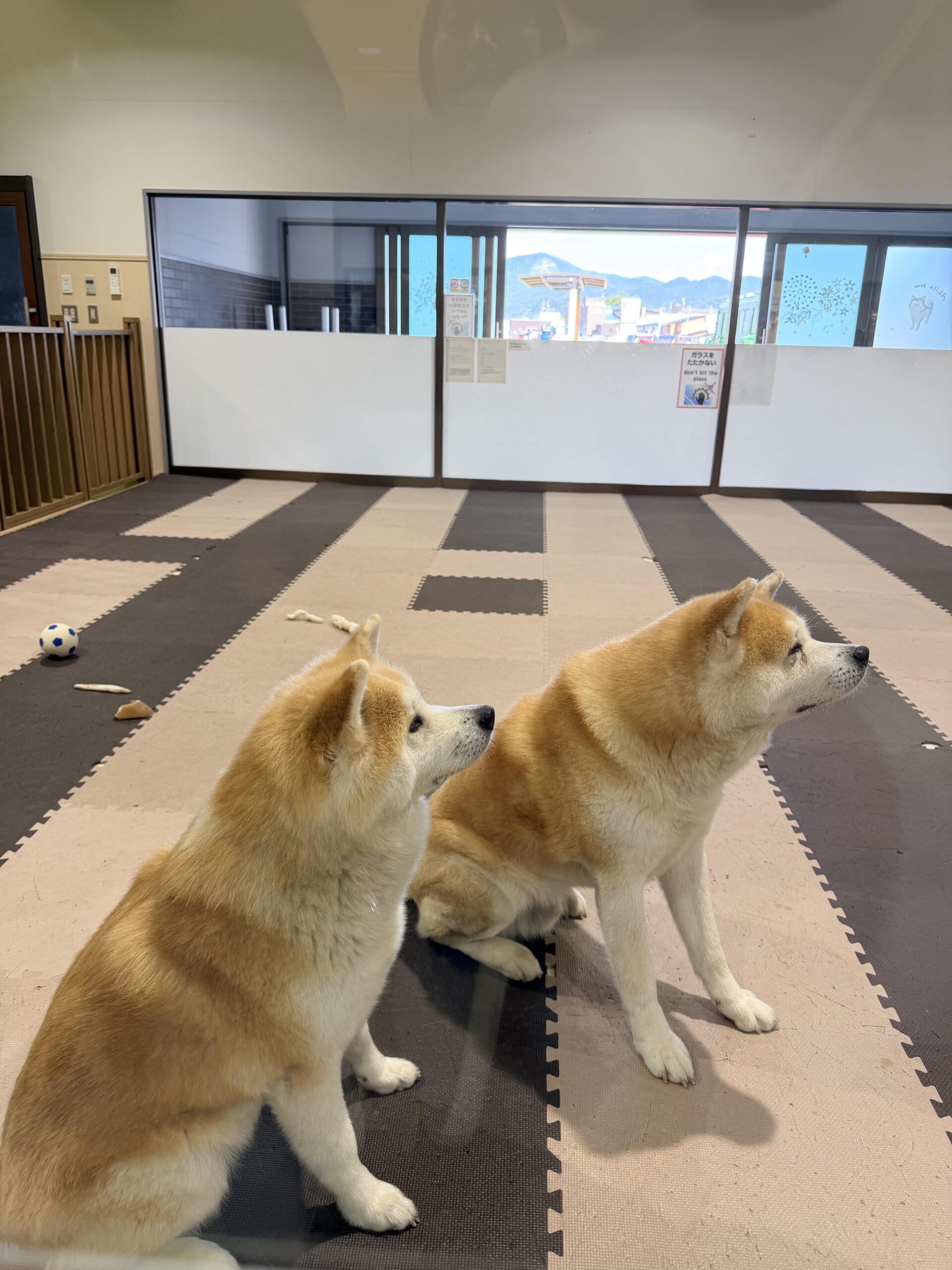
Located in northern inland Akita, Odate is known as the birthplace of the Akita dog, one of Japan’s best-known native dog breeds.
Akita dogs were traditionally used as hunting dogs and were valued for their strength, loyalty, and courage. They also have a connection to the matagi, traditional hunters who developed distinctive customs and knowledge of life in the mountains.
Today, visitors can learn about the breed and, at designated facilities, see Akita dogs in person.
One of the most famous Akita dogs in history is Hachiko, who became a symbol of loyalty in Japan. Hachiko continued to wait for his owner at Shibuya Station in Tokyo, even after his owner had passed away. Today, a statue of Hachiko stands outside the station and is a popular meeting spot. If you would like to learn more about his moving story, read my article about Hachiko, Japan’s most famous loyal dog.
Their thick coats, upright ears, and expressive faces make them easy to recognize. If you love dogs, discovering the history of this breed in its home region can be a highlight of your trip.
One place to look into is Akita Inu no Sato, a visitor facility near Odate Station dedicated to Akita dogs. Check its current opening hours and dog-viewing arrangements before visiting, as availability can vary.
Odate is also a good starting point for exploring northern Akita and the surrounding mountain landscapes.
2. Lake Tazawa, Nyuto Onsen, and Kakunodate: The Heart of Akita’s Inland Region
Central Akita is home to three destinations that work particularly well together: Lake Tazawa, Nyuto Onsenkyo, and Kakunodate.
Lake Tazawa: Japan’s Deepest Lake

Lake Tazawa is the deepest lake in Japan, reaching approximately 423 meters. Its striking blue water changes appearance with the light and weather, making it a beautiful place to stop during a trip through Akita.
You can enjoy views of the lake from the shore, take photographs, or look into seasonal water activities.
The golden statue of Tatsuko is one of the lake’s best-known landmarks. It is associated with a local legend about a young woman who wished to remain beautiful forever and was transformed into a dragon.
If you enjoy scenic drives and peaceful landscapes, Lake Tazawa is a worthwhile addition to your itinerary.
Nyuto Onsenkyo: Traditional Hot Springs in the Mountains
Nyuto Onsenkyo is one of Akita’s most famous hot spring areas. Located in a forested mountain setting near Lake Tazawa, it consists of several traditional hot spring inns, each with its own atmosphere and bathing facilities.
Some baths have milky-white water, while the mineral composition and appearance of the water vary from one source to another.
Nyuto Onsenkyo is particularly popular in winter, when snow covers the surrounding forest and the contrast between the cold air and warm spring water creates an unforgettable atmosphere.
Even if you do not usually travel for hot springs, this is a destination worth considering. Staying overnight at a traditional ryokan allows you to enjoy the quiet surroundings after day-trippers have left.
I’ll share my personal recommendation for Nyuto Onsen later in this guide.
Kakunodate: Walk Through a Samurai District
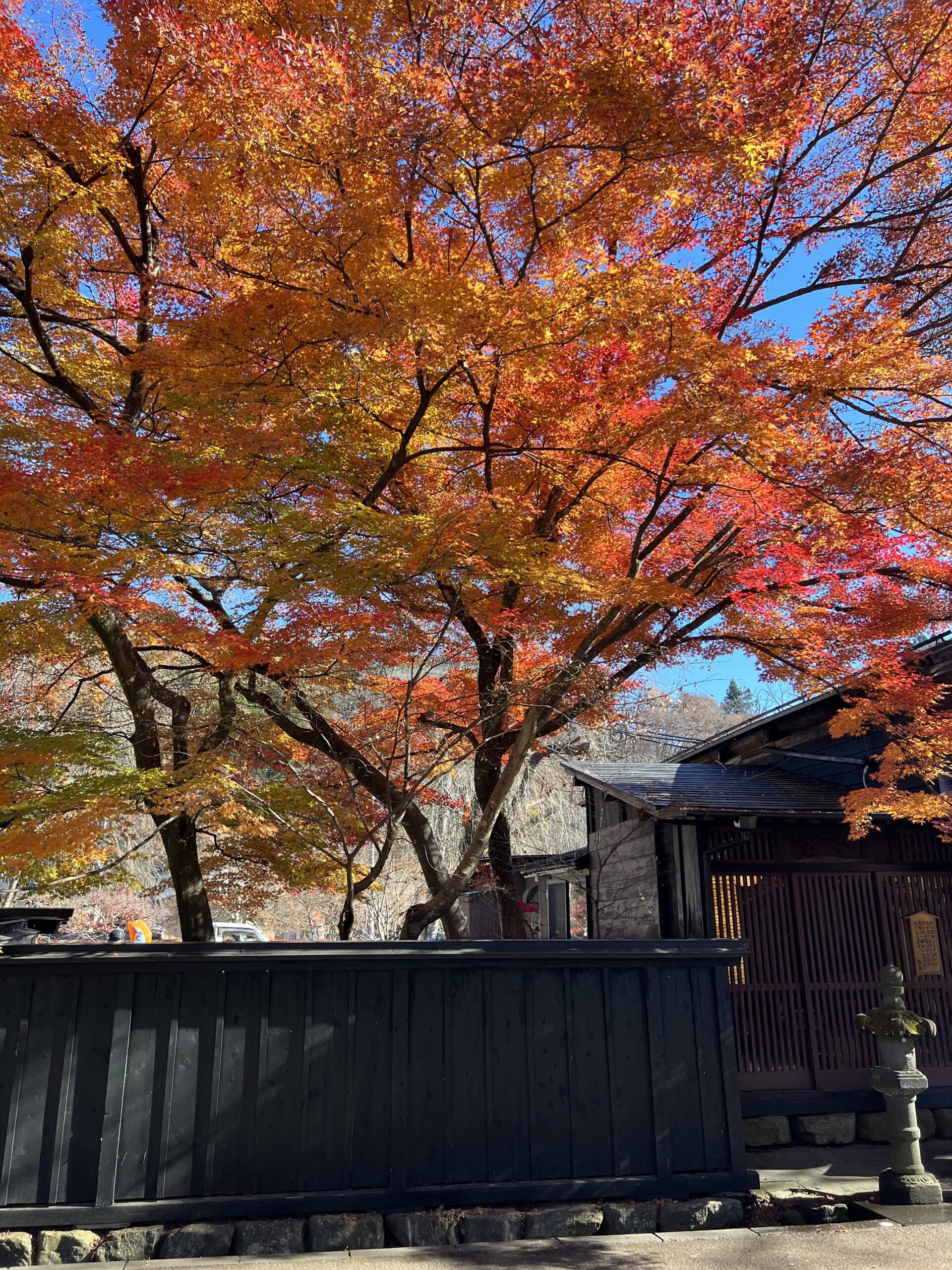
Kakunodate is a historic town famous for its preserved samurai residences and traditional streets.
The black wooden fences and traditional houses create a distinctive atmosphere, and the area is especially beautiful in spring, when cherry blossoms frame the historic streets. Summer greenery, autumn foliage, and winter snow each give the district a different character.
Take your time walking around the samurai district and exploring the historic residences that are open to visitors. Some houses preserve the atmosphere of the samurai era and offer a glimpse into how people lived in the past.
Kakunodate is also a popular destination for cherry blossom viewing. If you plan to visit during the peak season, expect crowds and consider booking accommodation early.
3. Yokote: Snow Festivals and Manga Culture
Southern inland Akita is known for heavy snowfall, and Yokote is one of the best places to experience the region’s winter traditions.
Yokote Kamakura Festival
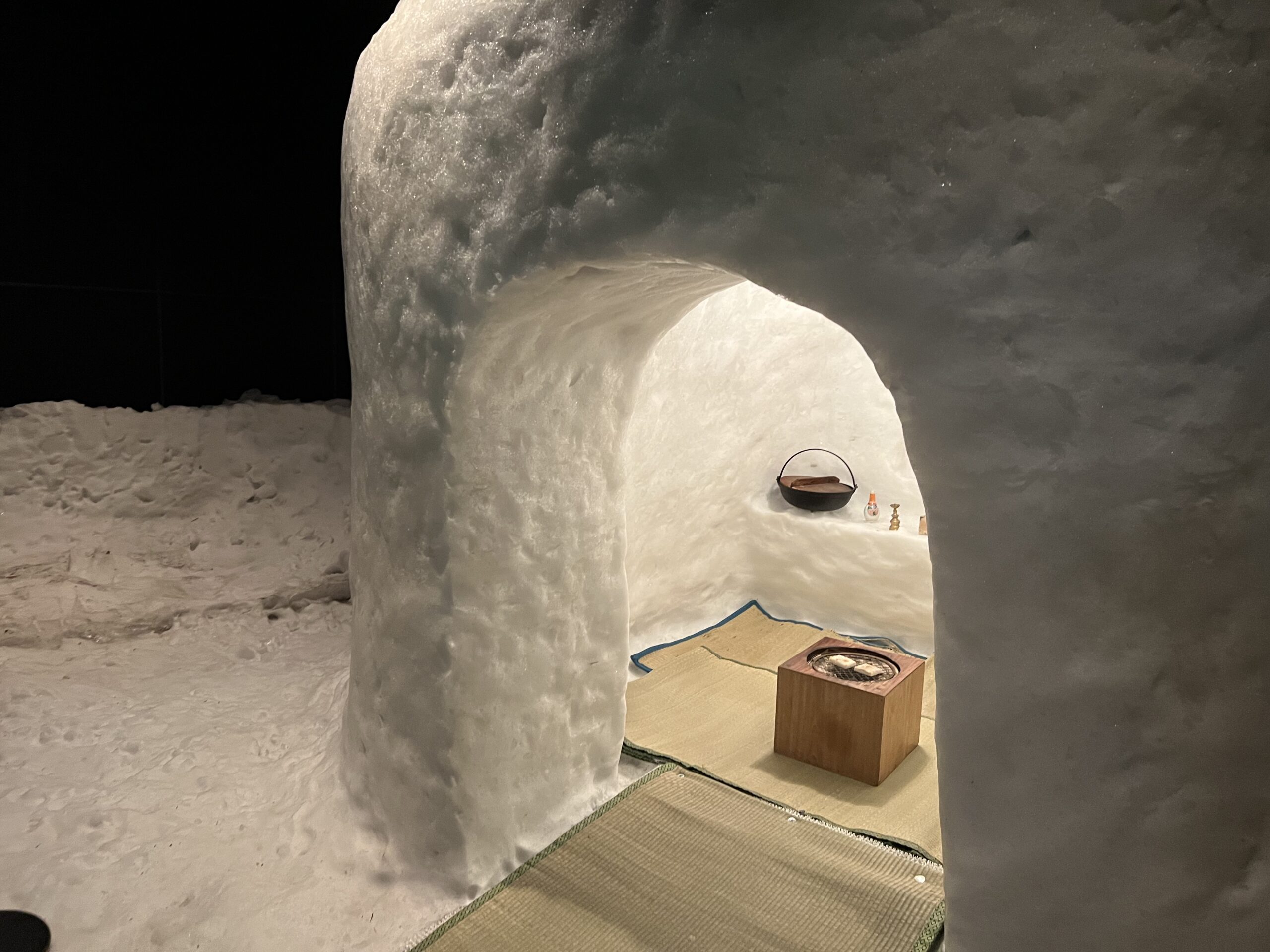
The Yokote Kamakura Festival is a traditional winter event with a history of around 450 years.
During the festival, snow is shaped into small igloo-like structures called kamakura. Inside, people traditionally welcome visitors and offer amazake, a sweet Japanese rice drink, and rice cakes.
The sight of illuminated snow structures against the winter darkness is one of the most memorable seasonal scenes in Akita.
The main festival takes place in winter, but visitors interested in the tradition can also look into facilities that display kamakura throughout the year.
Because Yokote can receive substantial snowfall, wear suitable winter clothing and footwear if you visit during the festival.
Yokote Masuda Manga Museum
If you love manga, don’t miss the Yokote Masuda Manga Museum.
The museum focuses on original manga artwork, including the hand-drawn pages known as genga. These original drawings reveal details that are often difficult to appreciate in printed manga, from the artists’ line work to the corrections and marks made during the creative process.
The collection includes works by many manga artists, making this an interesting destination for both casual readers and dedicated fans.
The museum is also a good reason to visit Yokote outside the winter festival season. Check the current exhibitions before your trip, as special displays may change.
Try Iburigakko
Yokote and the wider southern Akita region are associated with iburigakko, a traditional smoked-and-pickled daikon radish.
The radish is smoked before being pickled, giving it a distinctive smoky aroma and a pleasantly crunchy texture. It is often served alongside rice or as an accompaniment to drinks.
If you enjoy discovering regional food traditions, look for locally made iburigakko at shops and restaurants around Yokote.
4. Akita City: The Spectacular Kanto Festival
Akita City is the prefectural capital and the main transportation hub for exploring the region. It is also famous for the Akita Kanto Festival, one of the major summer festivals of Tohoku.
Akita Kanto Festival
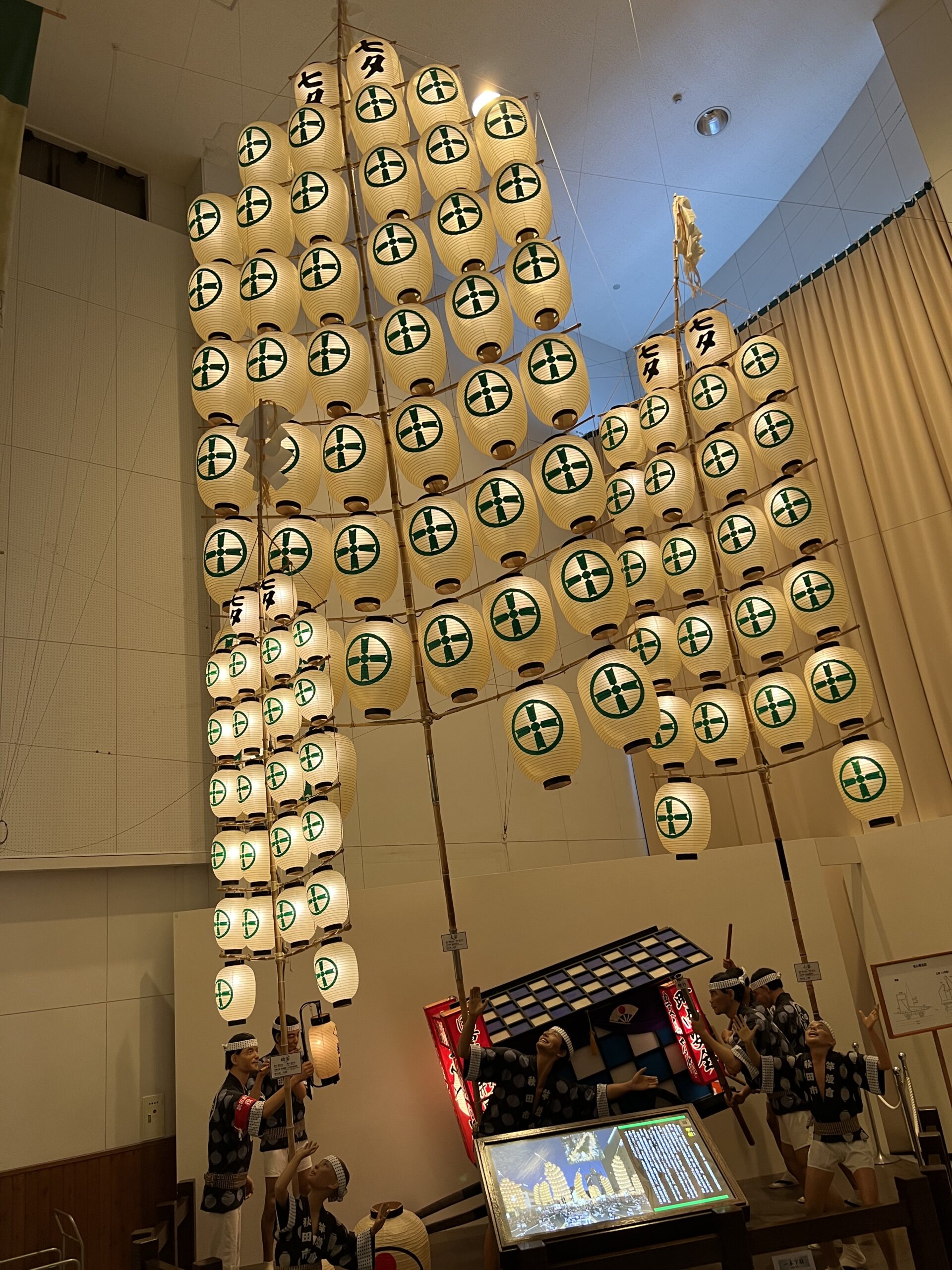
Held in early August, the Akita Kanto Festival is a spectacular event in which performers balance long bamboo poles fitted with rows of glowing paper lanterns.
The largest poles are approximately 12 meters tall, weigh around 50 kilograms, and carry 46 lanterns. Performers demonstrate impressive control as they balance the poles on their palms, foreheads, shoulders, and hips.
The lanterns resemble golden ears of rice swaying in the night sky. The festival is traditionally associated with prayers for a good harvest.
If you can visit Akita during the festival, watching the evening performances is highly recommended. The combination of lantern light, traditional music, and the skill of the performers makes for a memorable experience.
Accommodation can become difficult to find during major festival dates, so book well in advance.
Experience the Festival Outside August
Can’t visit during the festival? You can still learn about the tradition at the Neburi Nagashi-kan, also known as the Akita City Folk Performing Arts Center.
The facility displays festival equipment and introduces local performing arts, including Kanto. It offers a way to understand the craftsmanship and history behind the festival throughout the year.
Akita City is also a convenient place to try local dishes, shop for souvenirs, and spend a night before traveling to other parts of the prefecture.
5. Oga Peninsula: Meet the Mysterious Namahage
The Oga Peninsula, on the Sea of Japan coast, is home to one of Akita’s most distinctive cultural traditions: Namahage.
Namahage are visitors who appear in frightening masks and straw costumes. Traditionally, young men in local communities dress as Namahage on New Year’s Eve and visit houses, calling out to ask whether there are any lazy people or children who do not listen to their parents.
Although the figures can look terrifying, Namahage are not simply monsters meant to frighten children. For the people of Oga, they are visiting deities associated with warning against laziness and bringing good health, good fortune, and a bountiful harvest.
The details of the tradition vary between communities, making it an important part of local identity.
Namahage Museum
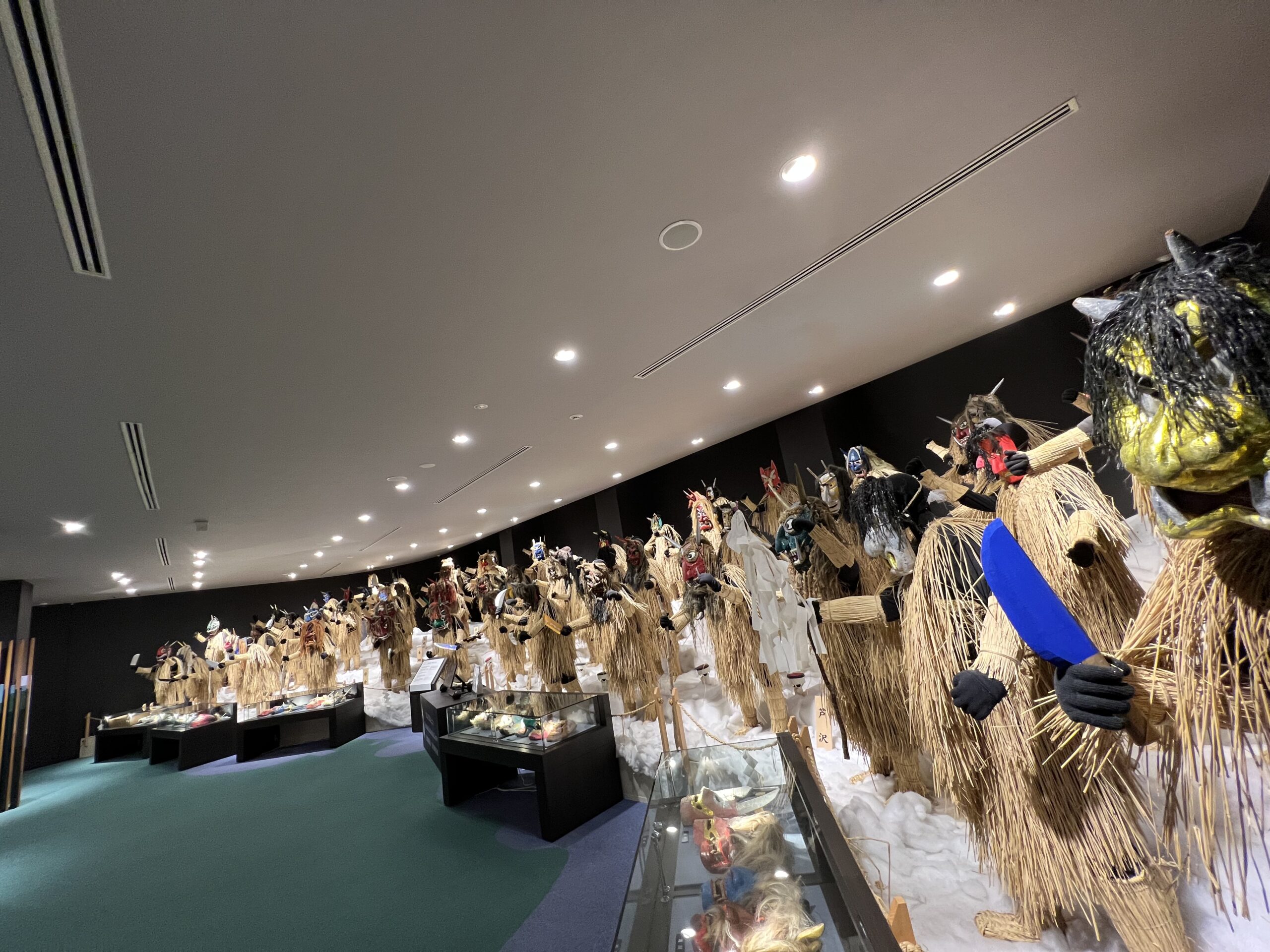
The Namahage Museum introduces the history and customs of this tradition. You can see masks and costumes from different parts of the Oga Peninsula and learn how the ritual has been passed down through generations.
It is a fascinating place for visitors interested in Japanese folklore and regional traditions.
Oga Shinzan Folklore Museum
Located next to the Namahage Museum, Oga Shinzan Folklore Museum offers a more immersive introduction to the tradition.
The facility recreates a traditional Namahage visit in a farmhouse setting, allowing visitors to experience something similar to the dramatic encounter that takes place in local homes.
I recommend allowing enough time to visit both facilities rather than rushing through them. Together, they provide a much deeper understanding of Namahage and its importance to the community.
The Oga Peninsula can also be explored for its coastal scenery and seafood. If you have extra time, consider staying overnight instead of making a quick return trip to Akita City.
6. Yurihonjo and the Chokai Mountain Area: Nature and Local Sake
Located in southern Akita, Yurihonjo covers a large area stretching from the Sea of Japan coast to the mountains near the Yamagata border.
The region is an appealing choice for travelers who enjoy outdoor activities and want to explore less-visited parts of Akita.
Mount Chokai and the Surrounding Landscape
Mount Chokai stands near the border of Akita and Yamagata. Its dramatic mountain scenery attracts hikers and nature lovers, while the surrounding area offers opportunities to explore coastal landscapes and rural communities.
Depending on the season and your interests, you can look into hiking, seaside activities, or exploring the countryside.
Mountain conditions can change quickly, and hiking routes may have seasonal restrictions. Check current trail conditions and local guidance before setting out.
Discover Local Sake
Akita is known for its rice-growing traditions and sake culture. In Yurihonjo and the surrounding region, access to good-quality water and locally grown rice supports sake production.
If you are interested in Japanese brewing culture, look into local breweries and their visitor arrangements. Not every brewery offers tours or tastings, so check in advance.
Even if you do not drink alcohol, the region’s sake-making heritage is part of its broader food culture and local identity.
My Favorite Place in Akita: Nyuto Onsen
Tohoku has many excellent hot springs, and I love staying at traditional Japanese hot spring inns. I take several onsen trips every year, and each destination has its own appeal. It is difficult to choose just one favorite.
However, one place I can confidently recommend is Nyuto Onsenkyo.
It is accessible from Tazawako Station on the Akita Shinkansen by bus, followed by additional transport depending on the inn you choose. The journey into the mountains is part of the experience.
Many Japanese hot spring baths have clear water that looks much like ordinary water. At Nyuto Onsenkyo, however, you can find the milky-white water that many people imagine when they picture a traditional Japanese hot spring.
My particular recommendation is Tsuru-no-yu Onsen, a historic inn known for its traditional atmosphere and distinctive milky-white hot spring water.
You do not necessarily have to stay overnight to enjoy a bath, as day-use bathing is available subject to the inn’s current arrangements. However, if you have enough time and can secure a reservation, I recommend staying overnight.
Tsuru-no-yu is popular, especially during winter, so plan ahead and check its current reservation rules, bathing hours, and transportation options before visiting.
For me, staying at a traditional onsen inn is not just about taking a bath. It is also about enjoying the quiet surroundings, slowing down, and experiencing a different rhythm of life.
If you are visiting Akita and want to experience one of Japan’s most memorable hot spring settings, I hope you will consider Nyuto Onsenkyo.
What to Eat in Akita
Akita’s food culture is closely connected to its rice-growing traditions, cold winters, and regional ingredients. Here are three specialties you should look for during your visit.
Kiritanpo Hot Pot
Kiritanpo is one of Akita’s signature dishes.
Cooked rice is mashed, shaped around a stick, and grilled to create a chewy rice cake. It is then cut into pieces and simmered in a hot pot, commonly with Hinai-jidori chicken, burdock root, mushrooms, green onions, and other ingredients.
As the kiritanpo absorbs the broth, it becomes wonderfully flavorful while retaining its distinctive texture.
It is especially comforting in cold weather and is a great dish to try during an autumn or winter visit.
Inaniwa Udon
Inaniwa udon is a traditional noodle specialty from the Inaniwa area of Yuzawa in southern Akita.
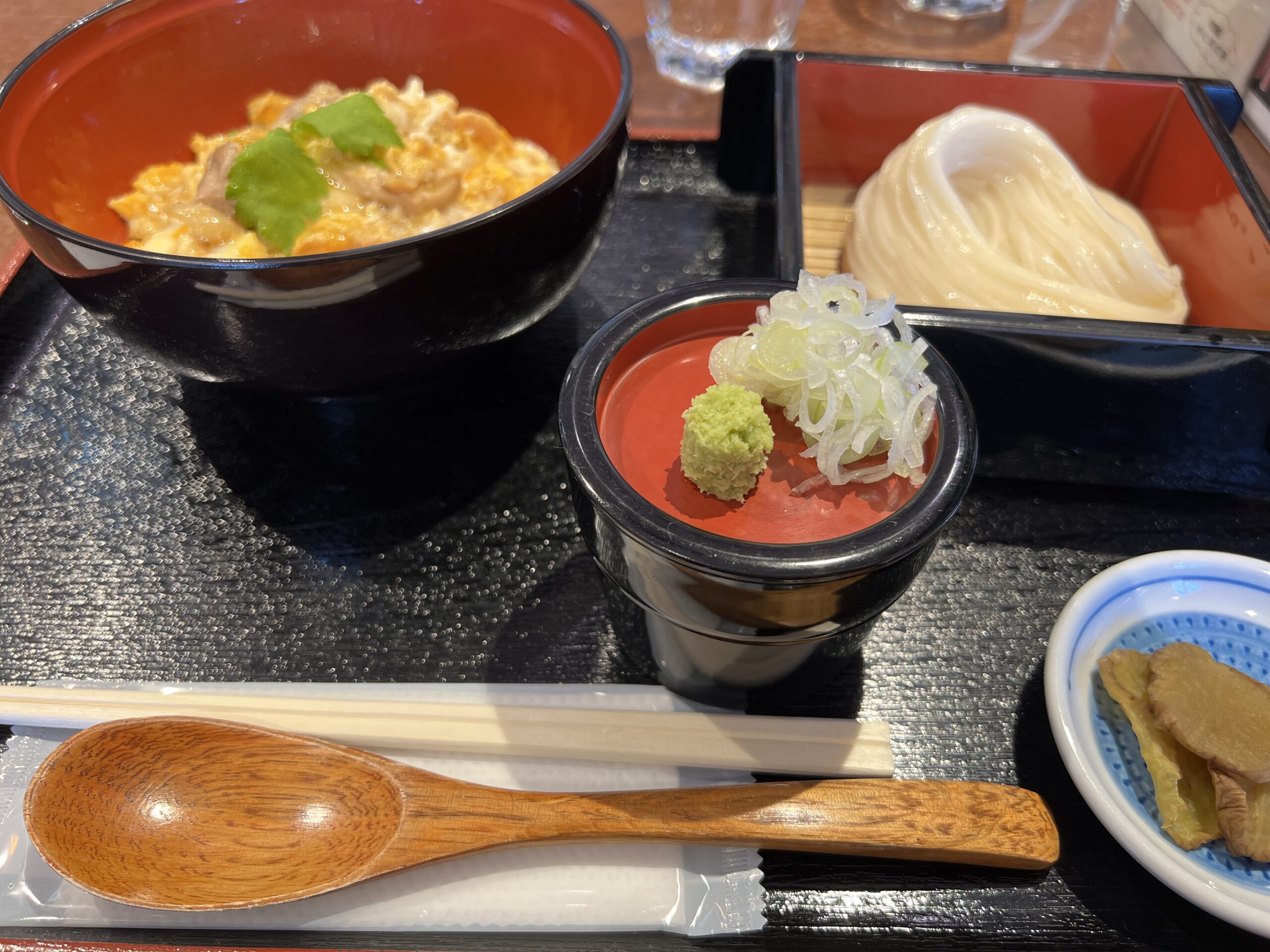
The noodles are thinner than many other types of Japanese udon and have a smooth, silky texture. They can be served chilled with dipping sauce or in a warm broth.
Dried Inaniwa udon is also widely sold as a souvenir, making it a good choice if you want to bring home a taste of Akita.
Hinai-jidori Chicken
Hinai-jidori is a prized regional chicken known for its rich flavor and satisfying texture.
It is used in dishes such as oyakodon, a rice bowl topped with chicken and egg, and in hot pot dishes. It is also an important ingredient in the broth served with kiritanpo hot pot.
If you enjoy Japanese chicken dishes, look for restaurants that specifically serve Hinai-jidori.
Recommended Souvenirs from Akita
Kinman
Kinman is a small, round Japanese confection filled with white bean paste.
Its soft texture and gentle sweetness make it an easy souvenir to share with family, friends, or colleagues. You may also find versions featuring special designs, including Hello Kitty branding.
Look for it in souvenir shops around Akita City and major transportation hubs.
Iburigakko
For a savory souvenir, consider iburigakko.
This smoked-and-pickled daikon radish has a distinctive aroma and crunchy texture. It is often eaten with rice and can also be enjoyed with cream cheese as a modern Japanese-style appetizer.
It is a particularly good choice if you want to bring home something that reflects Akita’s local food traditions.
Check the packaging and storage requirements before buying it, especially if you have a long journey ahead.
Shitogi Mamegaki
Shitogi Mamegaki is a traditional-style rice cracker made with glutinous rice and black beans.
Its flavor is simple and comforting, highlighting the ingredients rather than relying on strong seasoning. If you enjoy Japanese rice crackers, this is a nice alternative to more widely available snacks.
It also makes a good gift for someone who appreciates regional Japanese foods.
Best Time to Visit Akita
Akita is a year-round destination, but each season offers a different experience.
- Spring (March–May): Visit Kakunodate for cherry blossoms and enjoy the fresh greenery around Lake Tazawa. Blooming dates vary from year to year.
- Summer (June–August): Explore the countryside, enjoy outdoor activities, and experience the Akita Kanto Festival in early August.
- Autumn (September–November): Enjoy colorful foliage in the mountains and around hot spring areas. It is also a good season for scenic drives and regional food.
- Winter (December–February): Experience heavy snowfall, traditional winter scenery, and hot springs. The Yokote Kamakura Festival is a seasonal highlight.
If your main goal is to enjoy Nyuto Onsen in a snowy landscape, winter can be magical. However, snow and weather conditions can affect transportation, so allow extra time and check local information before traveling.
For the Kanto Festival or the Yokote Kamakura Festival, reserve accommodation early because these events attract many visitors.
How to Get to Akita
From Tokyo
The Akita Shinkansen connects Tokyo Station with Akita Station. The journey takes approximately four hours, depending on the train service.
The Shinkansen also stops at Tazawako and Kakunodate, making it possible to travel directly to some of Akita’s most popular destinations without first going to Akita City.
Akita Airport is another option, with domestic flights connecting Akita with major Japanese cities. Check current routes and schedules when planning your trip.
Getting Around Akita
Akita is a large prefecture, and its attractions are spread across coastal towns, inland cities, and mountain areas. Public transportation is available, but some destinations require careful planning.
- Akita City: A convenient base for restaurants, shopping, and the Kanto Festival.
- Kakunodate and Lake Tazawa: Accessible by rail, with buses and other local transportation needed for some attractions.
- Nyuto Onsenkyo: Reachable from Tazawako Station by bus, but the final journey depends on your chosen inn. Some accommodations require advance arrangements for shuttle transport.
- Oga Peninsula: Trains connect Akita City with Oga, but you may need a shuttle bus, taxi, or rental car to reach the Namahage facilities.
- Yokote and southern Akita: Rail and road connections are available, but check local schedules when visiting attractions outside the city center.
A rental car can be useful if you want to explore several rural destinations, particularly along the coast or in the mountains. In winter, however, snow and icy roads require extra caution and appropriate driving experience.
Where to Stay in Akita
Choosing your accommodation based on the places you want to visit will make your trip much easier.
- Akita City: Best for the Kanto Festival, restaurants, shopping, and convenient train connections.
- Nyuto Onsenkyo: Ideal for travelers who want to stay at a traditional hot spring inn and enjoy mountain scenery.
- Lake Tazawa: A convenient base for lake views, outdoor activities, and exploring the surrounding area.
- Kakunodate: Good for travelers who want to explore the historic samurai district early in the morning or enjoy cherry blossom season.
- Oga Peninsula: Recommended if you want to explore Namahage culture and the coast at a relaxed pace.
- Yokote: A practical base for the Kamakura Festival and the Yokote Masuda Manga Museum.
If you want to experience a traditional ryokan, consider spending at least one night in a hot spring area instead of visiting only on a day trip.
You can compare accommodation options in Akita City, Nyuto Onsenkyo, Lake Tazawa, and Kakunodate when planning your itinerary.
Final Thoughts: Discover the Quiet Beauty of Akita
Akita is a destination where you can experience a distinctive side of Japan. From the milky-white waters of Nyuto Onsen and the samurai streets of Kakunodate to the Namahage tradition of the Oga Peninsula and the illuminated Kanto Festival, the prefecture offers a wonderful combination of nature, history, and local culture.
If this is your first visit, Akita City, Kakunodate, and Lake Tazawa make a good starting point. If you have more time, venture into the mountains for a hot spring stay or head toward the coast to discover Akita’s unique traditions.
Akita is also an excellent addition to a wider journey through Tohoku. Check out my Tohoku Travel Guide to discover more destinations across northern Japan and plan your next stop.