
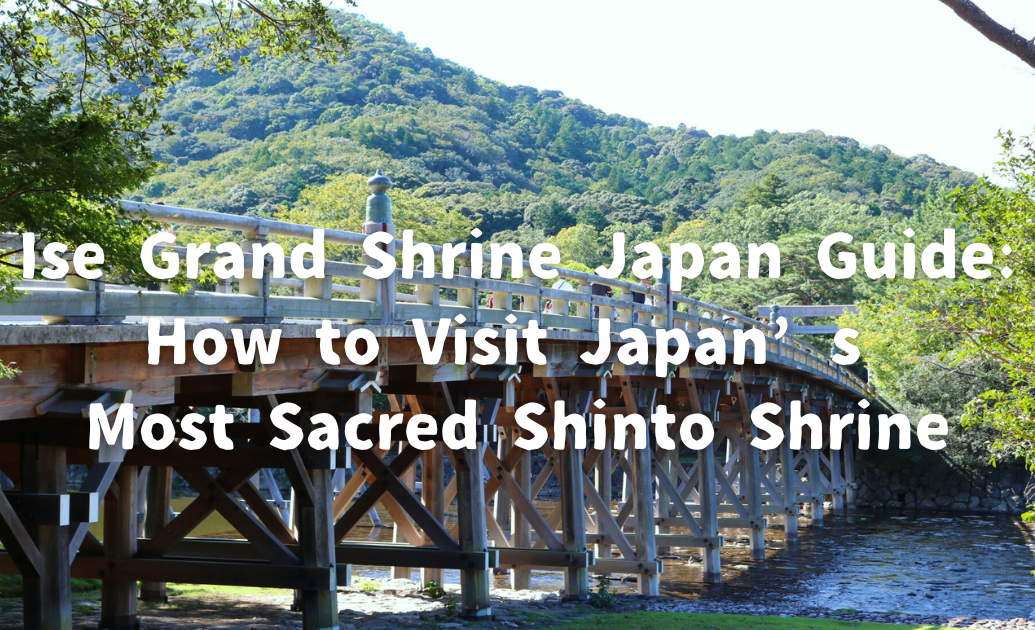
Why Ise Grand Shrine Matters to Japanese People
Ise Grand Shrine has been one of Japan’s most important travel destinations for Japanese people for more than 200 years — and its spiritual importance goes back much further.
Since ancient times, it has been considered the most sacred shrine in Japan. Today, it is regarded as the shrine that stands above all others and is often described as the spiritual home of the Japanese people. Throughout history, it has remained at the center of Japanese faith and culture.
In simple terms, Ise Grand Shrine is Japan’s most important sacred place.
Whether you want to learn about Japanese spirituality or are planning to visit, this guide will help you understand why Ise is so special.
What Is Ise Grand Shrine?
The official name is simply Jingu (The Shrine).
It consists of two main shrines:
- Naiku (Inner Shrine / Kotai Jingu)
- Geku (Outer Shrine / Toyouke Daijingu)
In addition to these, there are many smaller related shrines scattered across the Ise-Shima region. In total, Ise Jingu includes 125 shrines.
The main deity enshrined here is Amaterasu Omikami, the sun goddess and the central deity in Japanese mythology.
According to legend, around 2,000 years ago, Princess Yamatohime-no-Mikoto traveled across Japan searching for a permanent place to enshrine Amaterasu. She received a divine message and built the Inner Shrine along the Isuzu River. This is believed to be the origin of Ise Grand Shrine.
The Unique Tradition: Rebuilding Every 20 Years
One of the most fascinating traditions at Ise is the Shikinen Sengu ceremony.
Every 20 years:
- The shrine buildings are rebuilt on an adjacent site
- Sacred objects are transferred to the new buildings
This tradition has continued for over 1,300 years and symbolizes renewal, continuity, and respect for nature.
The Edo Period Ise Pilgrimage Boom
During the Edo period (1603–1868), visiting Ise became a national travel boom.
In some peak years, it’s said that 1 in 6 Japanese people made the pilgrimage to Ise.
The journey often took months. Travelers visited famous places along the way and spent significant money on:
- Lodging
- Food
- Souvenirs
For common people, visiting Ise was often a once-in-a-lifetime dream trip.
How to Worship at Ise Grand Shrine
Visit Order
Traditionally, visitors worship in this order:
- Geku (Outer Shrine)
- Naiku (Inner Shrine)
Manners and Etiquette
Visit with the mindset of being “in the presence of the gods.”
Dress respectfully and behave quietly.
Before entering sacred areas:
- Purify yourself at the water pavilion (temizuya)
- Bow once before passing through each torii gate
At the main shrine:
- Photography is prohibited beyond certain points
- Perform the traditional prayer:
- Two bows
- Two claps
- One final bow
At Ise, it is customary not to make personal wishes, but instead to give thanks for daily life.
Travel Tips for Visiting Ise
Naiku and Geku are located in different areas with different nearest stations.
- Geku: Very close to Iseshi Station
- Naiku: About 40 minutes on foot from Isuzugawa Station
You can take buses or taxis, but walking is highly recommended.
Don’t Miss: Oharaimachi Street
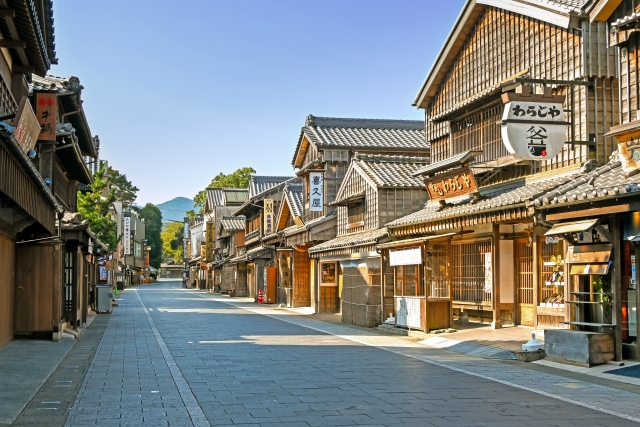
On the way to Naiku, you’ll pass through Oharaimachi, an 800-meter traditional street.
Here you’ll find:
- Traditional Ise-style buildings
- About 100 restaurants and souvenir shops
- Local specialties and street food
It’s perfect to explore before or after visiting the shrine.
My Personal Experience Visiting Ise Grand Shrine
From where I live in Tokyo, Ise is not the easiest place to visit. I first went there as an adult.
I still remember the feeling after passing through the torii gate. It was a level of sacredness that is difficult to describe — very different from other shrines.
The shrine feels deeply connected to nature and the local community. You can sense the long history that allowed this sacred place to exist for centuries.
I believe people living 300 years ago during the Edo period must have felt the same awe when they visited.