
A Complete Guide to Japan’s Addictive Budget Shopping Paradise
If you visit Japan, stepping into a 100-yen store is almost a rite of passage.
As the name suggests, these shops sell most items for around 100 yen (plus tax). From kitchen tools to cosmetics, stationery to snacks, you can find almost everything you need for daily life at unbelievably low prices.
For Japanese people, 100-yen stores are not tourist attractions — they’re part of everyday life. But for visitors, they feel like treasure hunts.
Be careful though: you may walk in “just to look” and leave with a full basket.
What Is a 100 Yen Store?
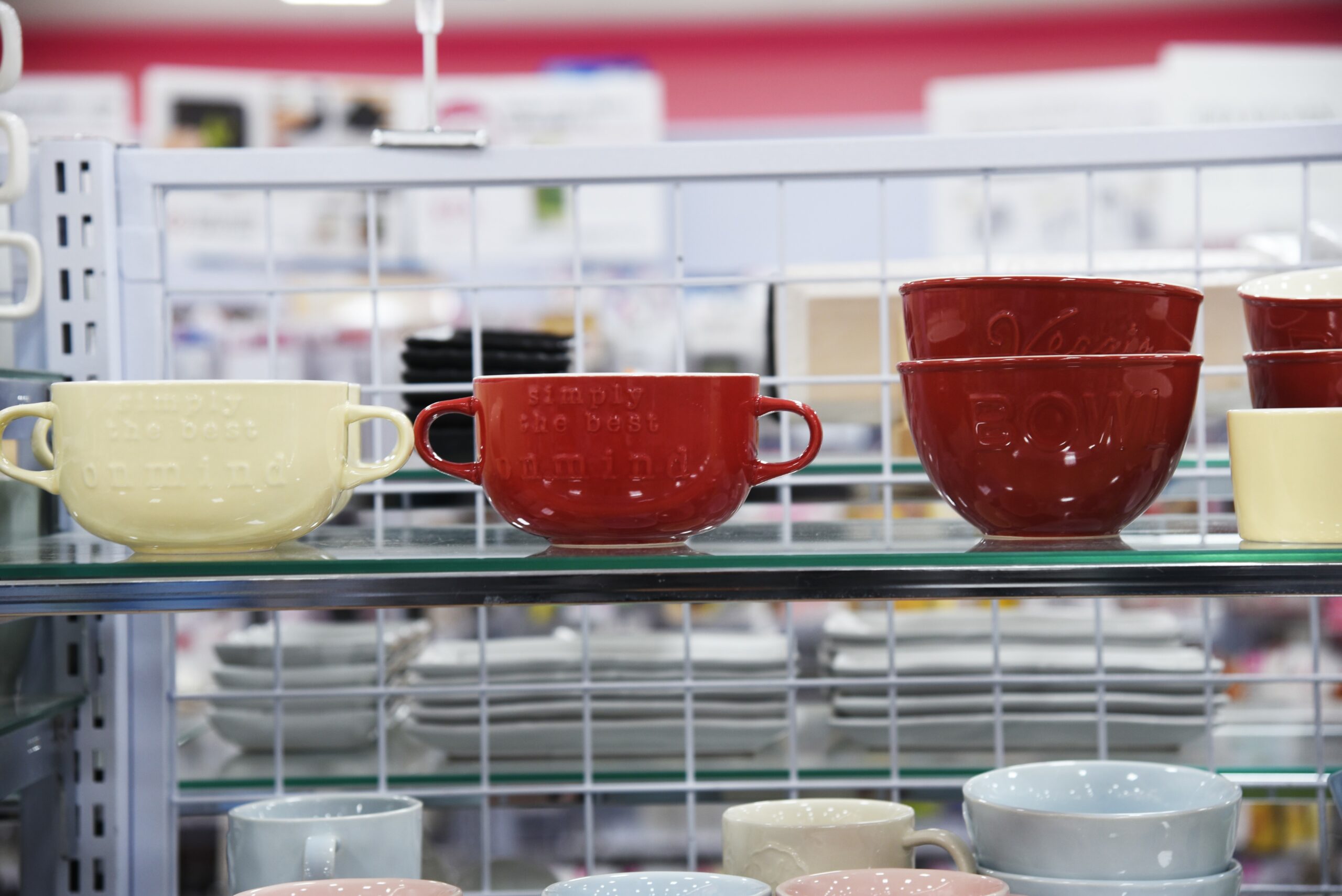
A 100-yen store is Japan’s version of a dollar store — but often with surprisingly good quality and thoughtful design.
You’ll find:
- Kitchen utensils
- Storage organizers
- Cosmetics
- Stationery
- Snacks
- Travel goods
- Seasonal decorations
In the past, many were small neighborhood shops. Today, huge branches can be found in major city centers and shopping malls.
⚠️ One important note: Due to rising global costs, not everything is strictly 100 yen anymore. Some items cost 200, 300, or more — so always check the price tag.
The Three Major 100 Yen Store Chains in Japan
Japan has three major 100-yen store brands. Each has its own personality and strengths.
🛍 Daiso
The largest and most internationally recognized chain.
- Massive product selection
- Many large-scale stores
- Expanding globally
You can find almost anything here — sometimes the challenge is actually finding it in the huge store!
Daiso is especially strong in practical household goods and creative problem-solving items.
💄 Can Do
A slightly more compact chain often found in city centers.
- Strong selection of cosmetics
- Good balance of food and daily goods
- Easy-to-shop store layouts
If you’re curious about affordable Japanese beauty products, Can Do is worth checking out.
🎀 Seria
The stylish one.
- Elegant, minimalist design
- Popular for DIY and handmade crafts
- Fewer food items
Seria is especially loved by people who enjoy making accessories, decorating planners, or creating handmade gifts.
What I Personally Buy at 100 Yen Stores
As someone who grew up in Japan, here’s what I regularly buy:
🍳 Cooking Utensils
Items that feel almost disposable — ladles, spatulas, chopsticks, small storage containers.
There are also clever kitchen gadgets you can only find at 100-yen stores.
🎁 Wrapping Supplies
Perfect for omiyage (souvenirs) and small gifts.
- Cute character plastic bags
- Beautiful masking tape
- Decorative boxes and ribbons
Japanese wrapping culture is detailed, and 100-yen stores make it affordable.
🎃 Seasonal Goods
This is where 100-yen stores truly shine.
Depending on the season, you’ll find items for:
- New Year
- Valentine’s Day
- Cherry blossom season
- Halloween
- Christmas
Decorations, small gifts, and themed snacks rotate constantly — it’s hard not to pick something up.
What I Don’t Recommend Buying
Not everything is perfect.
🔪 Cutlery
If you need something short-term, fine.
But for long-term use, investing in higher-quality pieces is better.
🧴 Detergents
Laundry and cleaning products tend to be weaker compared to regular supermarket brands.
Best Souvenirs from 100 Yen Stores
Yes — they’re also great for souvenirs!
🧦 Socks
You can find adorable seasonal designs and Japanese-patterned socks.
They’re lightweight, practical, and uniquely Japanese.
🥢 Chopsticks
A perfect small souvenir.
You can buy:
- Regular eating chopsticks
- Long cooking chopsticks (called saibashi)
Affordable, practical, and culturally meaningful.
The Rise of 300 Yen Stores
In recent years, upgraded versions of 100-yen stores have become popular.
These 300-yen stores offer:
- Better design
- Higher quality
- Trend-focused products
They’re still affordable, but feel more premium. If you see one while traveling in Japan, step inside.
Why Tourists Love Japanese 100 Yen Stores
For visitors, 100-yen stores are:
- Affordable
- Fun to explore
- Full of uniquely Japanese products
- Perfect for practical travel purchases
- Ideal for small souvenirs
They show a side of Japan that is clever, efficient, and design-conscious — even at the lowest price point.
So when you’re in Japan, don’t just visit temples and skyscrapers.
Stop by a 100-yen store.
You might be surprised how captivated you become.