
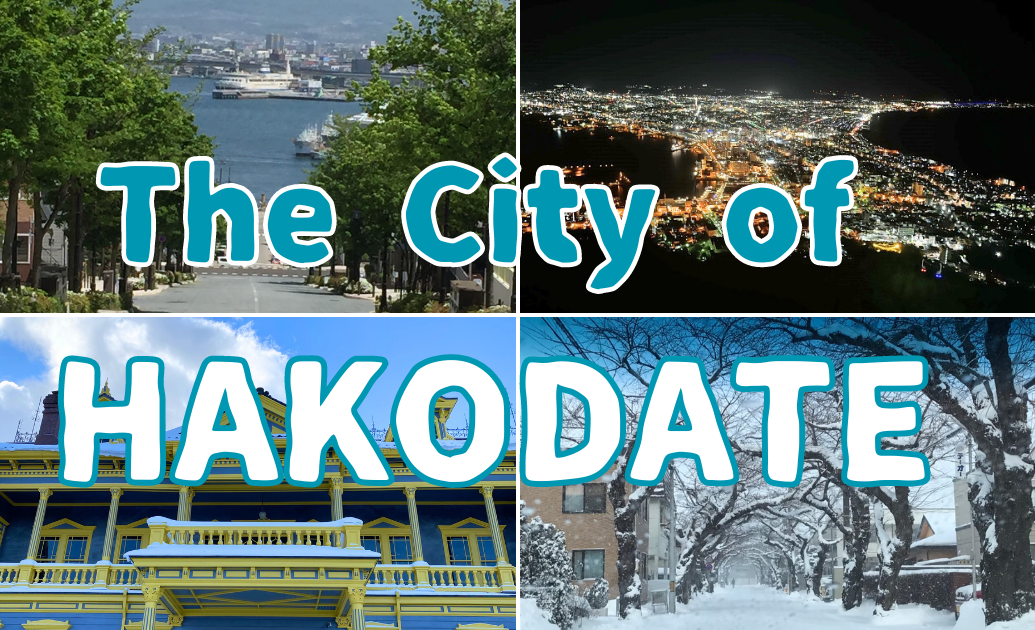
One of my favorite cities in Japan is Hakodate—and for many different reasons.
It was once the hometown of a band I loved in high school. It’s a city shaped by history, especially during the final days of the Tokugawa Shogunate. It’s known for incredible food. And best of all, it’s compact and easy to explore.
But somehow, none of those reasons fully explain its charm.
Hakodate is one of those places you truly understand only after visiting. Once you experience it for yourself, you’ll see why so many travelers fall in love with this unique port city.
How to Get to Hakodate
Getting to Hakodate is easier than you might expect:
- By Shinkansen:
Take the Tohoku Shinkansen from Tokyo to Shin-Hakodate-Hokuto Station (about 4 hours). From there, the Hakodate Liner takes you to the city center in around 20 minutes. - By Air:
Flights from Haneda Airport to Hakodate Airport take about 70 minutes. From the airport, it’s a 20-minute bus ride to central Hakodate.
Top Things to Do in Hakodate
1. Goryokaku: A Star-Shaped Fortress
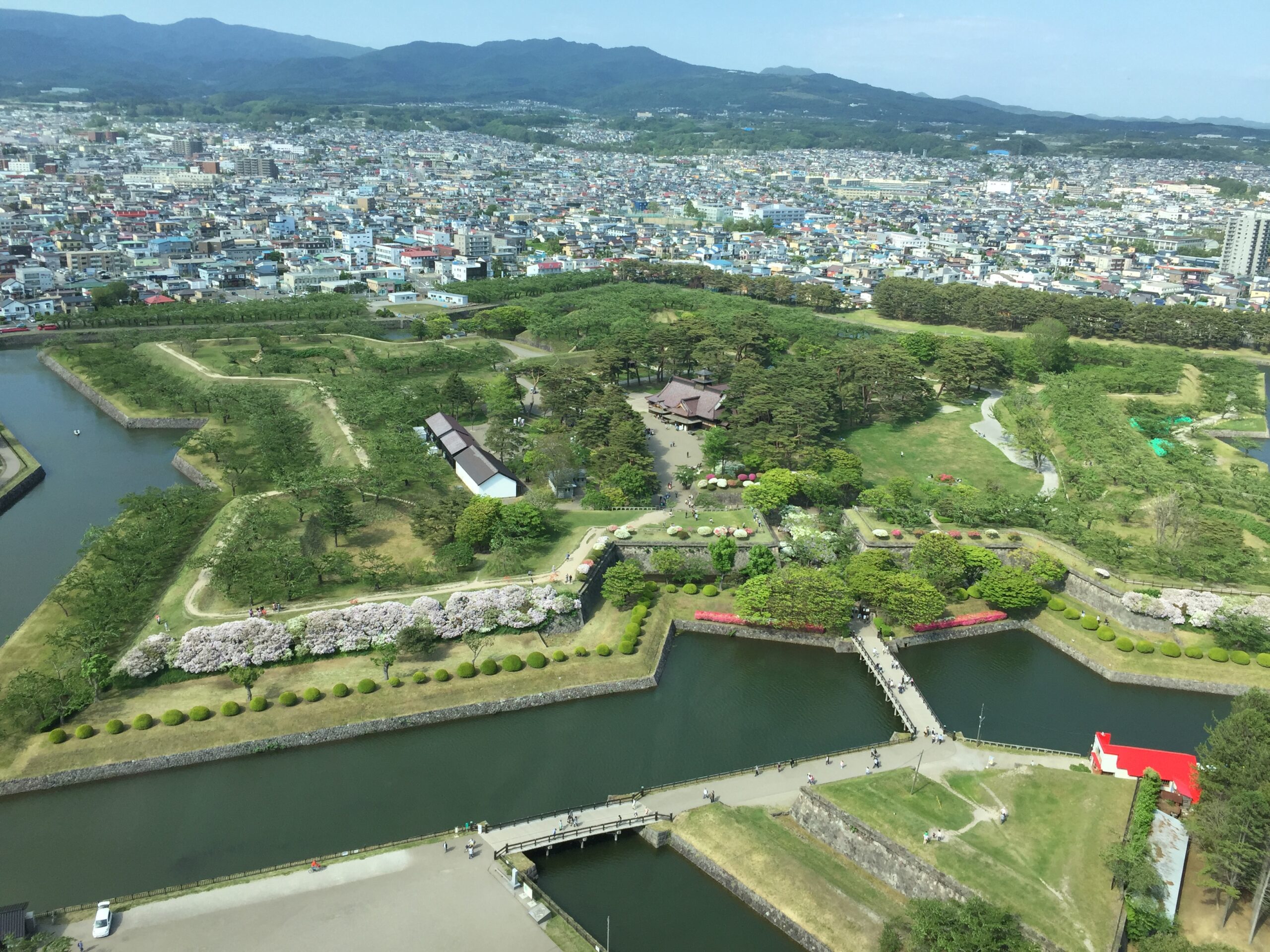
Goryokaku is one of Hakodate’s most iconic landmarks. Built in 1857, this Western-style fortress was designed to defend Japan’s northern frontier.
Its unique star shape is best appreciated from above. Today, it’s a peaceful public park—and one of the best cherry blossom spots in Hokkaido, with around 5,000 trees blooming in early May.
2. Goryokaku Tower & Hakodate Magistrate’s Office
Right next to the fortress is Goryokaku Tower, where you can enjoy panoramic views of both the fort and the city.
In the center of Goryokaku, the reconstructed Hakodate Magistrate’s Office offers a glimpse into Edo-period governance. Rebuilt using traditional methods, it showcases historical architecture and artifacts.
Note: Admission fees apply separately.
3. Relax at Yunokawa Onsen
Yunokawa Onsen is one of Japan’s most accessible hot spring resorts—just 10 minutes from the airport.
Located by the sea, many hotels offer open-air baths with ocean views, making it a perfect place to unwind after sightseeing.
4. Explore the Red Brick Warehouses
The Kanemori Red Brick Warehouse date back to the 1870s, when Hakodate thrived as a trading port.
Today, these beautifully preserved buildings house shops, restaurants, and event spaces, blending history with modern culture.
5. Enjoy the Night View from Mount Hakodate
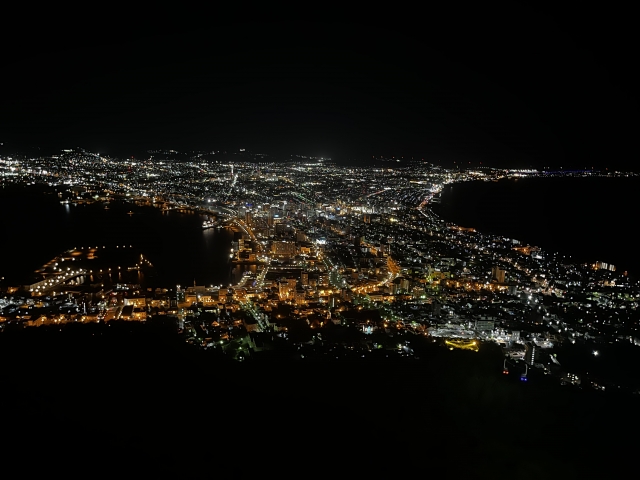
Mount Hakodate is famous for one of Japan’s best night views.
Although only about 300 meters high, the panoramic view of the city lights between two bays is unforgettable.
How to get there:
- Ropeway (3 minutes to the top)
- Bus or taxi
- On foot (about 1 hour hike)
Note: Road access is restricted during certain hours and seasons.
6. Stroll Through Motomachi
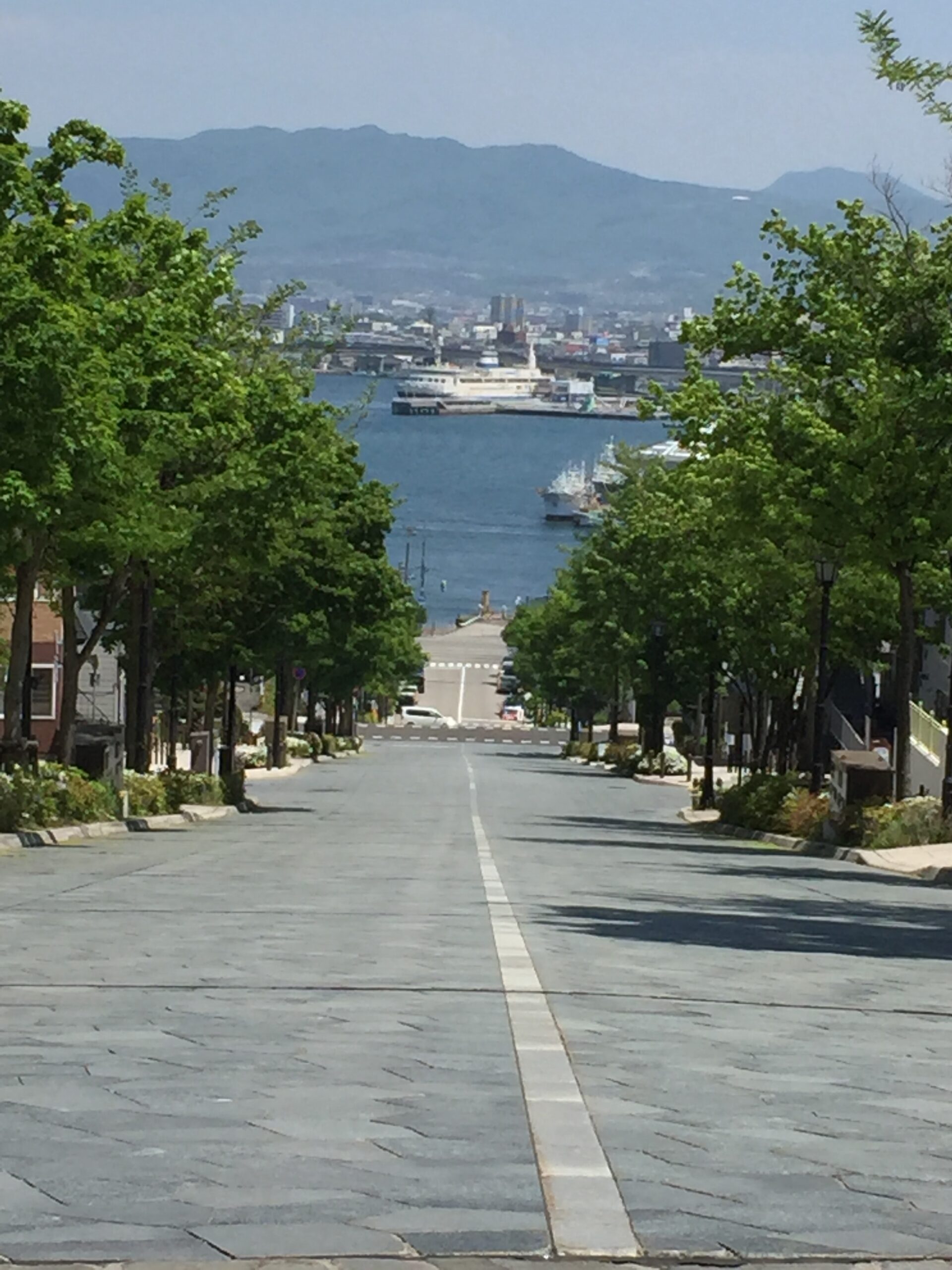
The Motomachi area reflects Hakodate’s international past as one of Japan’s first open ports.
You’ll find Western-style churches, former consulates, and scenic slopes. Don’t miss the famous view from Hachimanzaka, where the street leads straight down to the harbor.
What to Eat in Hakodate
Lucky Pierrot
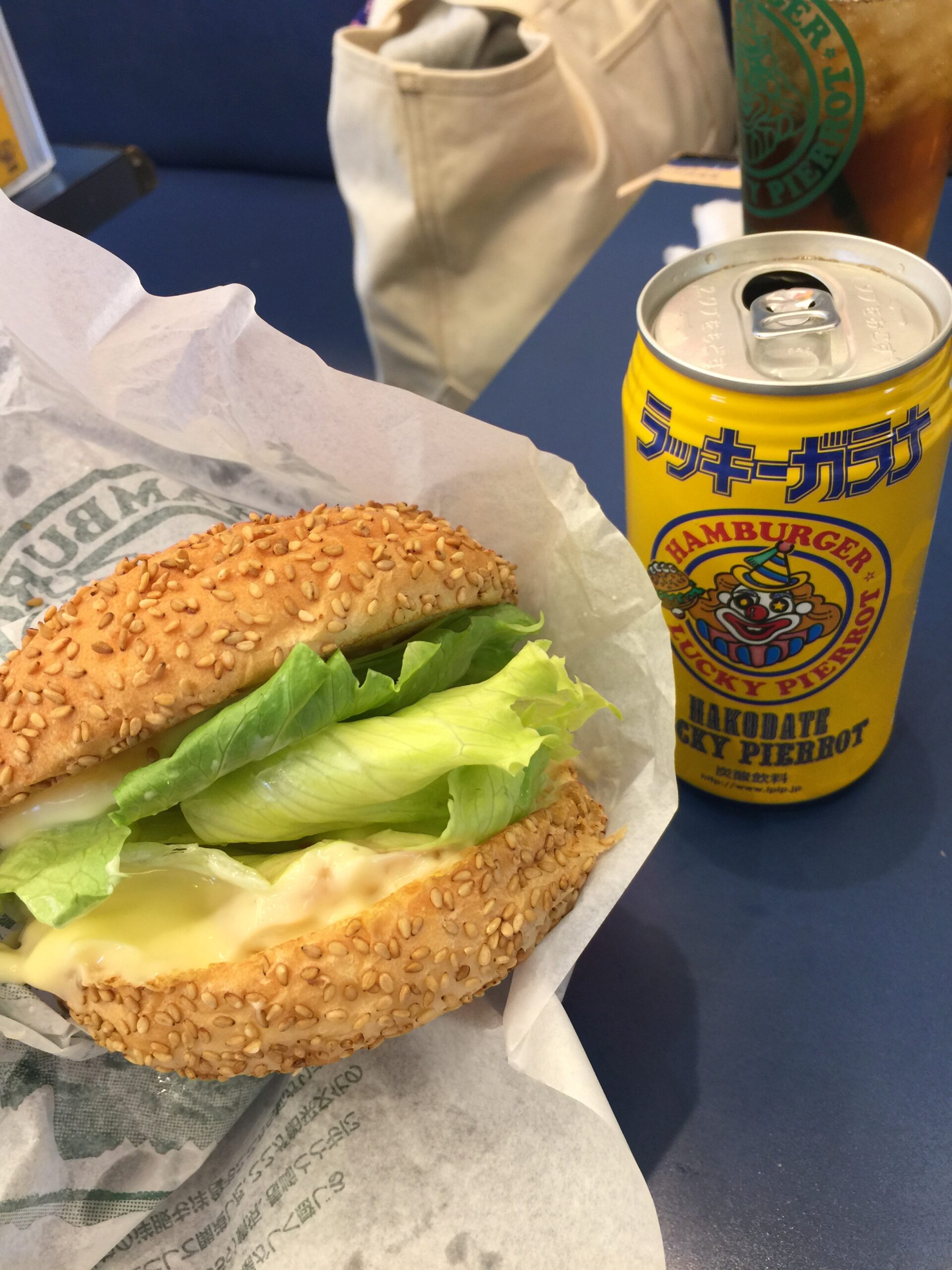
Lucky Pierrot is a beloved local fast-food chain known for its unique atmosphere and creative menu. Each location has a different theme, making it fun to visit more than one.
Hasegawa Store
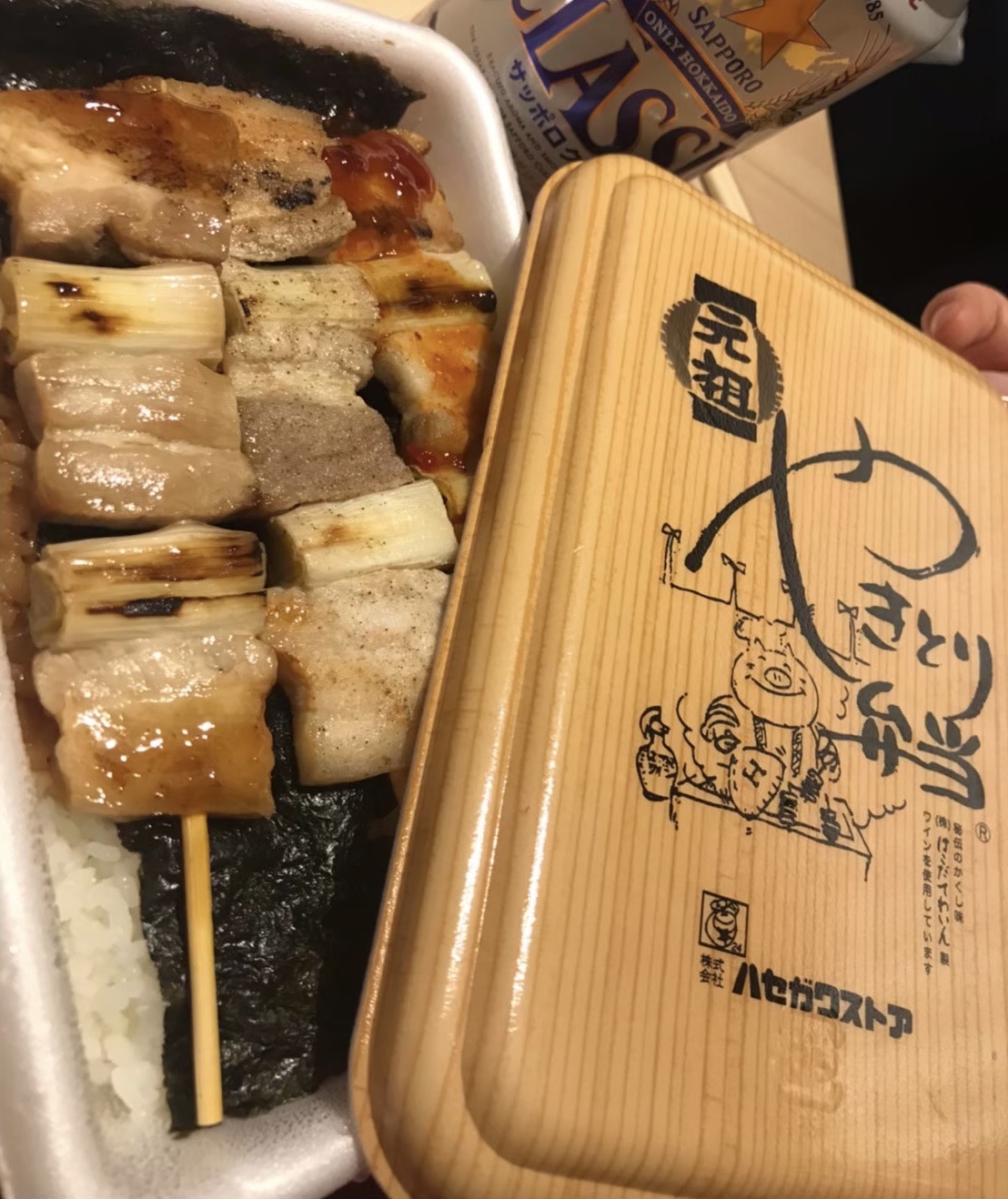
Hasegawa Store is famous for its yakitori bento. Interestingly, in Hakodate, “yakitori” often means pork rather than chicken. Freshly grilled skewers over rice make this a must-try local specialty.
Fresh Seafood
Hakodate is a paradise for seafood lovers. The Hakodate Morning Market near the station is a great place to enjoy fresh sushi, crab, and more.
Travel Tips for Hakodate
- Getting around:
Use trams and walk—Hakodate is compact and traveler-friendly. - How long to stay:
1 night is enough for highlights, but 2–3 nights lets you explore more deeply. - Best seasons:
- Cherry blossoms: late April to early May
- Summers are short and mild
- Spring and autumn can be warm during the day but chilly at night
- Winter travel:
Snowfall is moderate, but blizzards can disrupt flights and trains, including the Shinkansen.
Why Visit Hakodate?
Hakodate is a city where history, nature, and food come together in a way that feels both nostalgic and refreshing.
It’s not just about famous spots—it’s about the atmosphere you experience while walking its streets, soaking in a hot spring, or enjoying a quiet night view.
Once you visit, you’ll understand why Hakodate stays in people’s hearts long after they leave.