
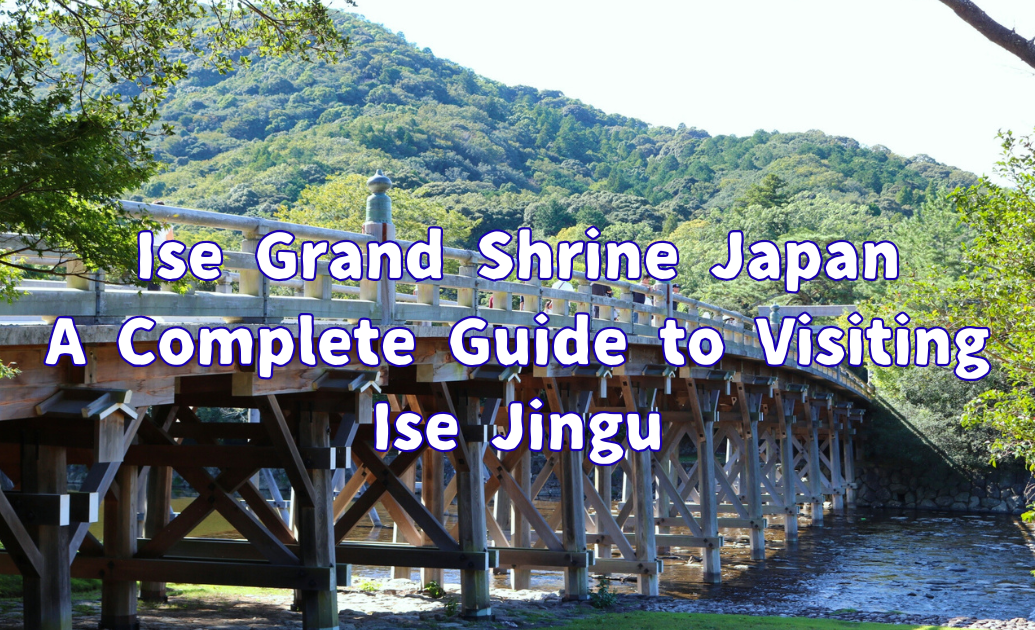
If you’re interested in Japanese culture, spirituality, and history, Ise Grand Shrine (Ise Jingu) is a destination worth adding to your Japan itinerary.
Located in Ise City, Mie Prefecture, Ise Jingu is one of the most important sacred sites in Japan. For centuries, people from all over the country have traveled here to pay their respects and experience a place deeply connected to Japanese spiritual traditions.
But visiting Ise Jingu is a little different from visiting an ordinary Japanese shrine.
The shrine complex is made up of many sacred sites spread across the region, and its traditions reflect a long history of worship, nature, and renewal. Understanding a little about these traditions can make your visit much more meaningful.
In this guide, I’ll explain what makes Ise Grand Shrine so special, how to visit its two main shrines, what to know about shrine etiquette, and how to make the most of your time in Ise.
Whether you’re planning a day trip or a longer stay, here’s everything you need to know before visiting Ise Jingu.
What Is Ise Grand Shrine?
Ise Grand Shrine, known in Japanese as Ise Jingu (伊勢神宮), is a major Shinto shrine complex located in Ise City, Mie Prefecture.
Its official name is simply Jingu, meaning “the Shrine.”
Rather than being a single shrine, Ise Jingu consists of 125 shrines, with two main sanctuaries at its heart:
- Naiku (Inner Shrine / Kotaijingu): Dedicated to Amaterasu Omikami, the sun deity who holds a central place in Japanese mythology.
- Geku (Outer Shrine / Toyouke Daijingu): Dedicated to Toyouke-no-Omikami, the deity associated with food, clothing, shelter, and the necessities of life.
The remaining shrines are located throughout the surrounding area and form part of the wider sacred complex.
Ise Jingu is closely connected to Japanese history, religious traditions, and the Imperial family. It is also famous for its deep forests, simple wooden architecture, and the traditional rebuilding of its main shrine buildings every 20 years.
For many Japanese people, Ise is more than a tourist destination. It is a place of profound cultural and spiritual significance.
Why Is Ise Grand Shrine So Important to Japanese People?
To understand Ise Jingu, it helps to know a little about the Shinto beliefs and traditions that have shaped Japanese culture.
Amaterasu Omikami and Naiku
Naiku, the Inner Shrine, is dedicated to Amaterasu Omikami, the sun deity who plays a central role in Japanese mythology.
According to traditional accounts, Amaterasu was originally worshipped within the Imperial Palace. Later, Princess Yamatohime-no-Mikoto traveled in search of a suitable place to enshrine the deity permanently.
The tradition holds that she eventually established the sacred site in Ise.
Today, Naiku remains one of the most significant places of worship in Shinto. Its serene forest surroundings and restrained architecture create an atmosphere that feels very different from the bustling streets of Japan’s major cities.
Toyouke-no-Omikami and Geku
Geku, the Outer Shrine, is dedicated to Toyouke-no-Omikami, the deity associated with food and the necessities of daily life.
Toyouke-no-Omikami is also closely connected to the offerings made to Amaterasu at Naiku.
Food has long held an important place in Japanese religious traditions. At Ise Jingu, this connection is reflected in the rituals and ceremonies dedicated to the deities.
Visiting Geku before Naiku allows you to experience this relationship between the two main shrines.
Ise Jingu and the Japanese Pilgrimage Tradition
During the Edo period (1603–1868), visiting Ise became a major pilgrimage tradition.
The practice known as Okage Mairi brought large numbers of people from across Japan to Ise. For many ordinary people, a pilgrimage to Ise was a once-in-a-lifetime journey.
Traveling to Ise was not always easy. Depending on where they lived, pilgrims could spend days or weeks on the road, visiting other destinations along the way.
The journey itself was an important part of the experience.
Even today, Ise continues to attract visitors who want to connect with Japanese culture, history, and spiritual traditions.
Geku vs. Naiku: What Is the Difference?
If you’re visiting Ise Grand Shrine for the first time, one of the most important things to understand is the difference between Geku and Naiku.
Although they are part of the same shrine complex, they are located in different areas of Ise and enshrine different deities.
| Geku | Naiku | |
|---|---|---|
| English name | Outer Shrine | Inner Shrine |
| Japanese name | 外宮 | 内宮 |
| Official name | Toyouke Daijingu | Kotaijingu |
| Main deity | Toyouke-no-Omikami | Amaterasu Omikami |
| Main association | Food and daily necessities | Sun deity and Imperial tradition |
| Nearest station | Iseshi Station | Isuzugawa Station (with a bus connection) |
Which Shrine Should You Visit First?
The traditional order is:
- Geku (Outer Shrine)
- Naiku (Inner Shrine)
This order is known as Geku-senpai, Naiku-kohai, meaning that the Outer Shrine is visited before the Inner Shrine.
If you’re planning to visit both, I recommend following this order. It’s also the order officially introduced by Ise Jingu.
How to Visit Ise Grand Shrine: A Step-by-Step Guide
If you have enough time, I recommend visiting both Geku and Naiku rather than choosing just one.
Here’s a simple way to organize your visit.
1. Start at Geku (Outer Shrine)
Begin your visit at Geku, which is within walking distance of Iseshi Station.
The shrine grounds are surrounded by trees, and the atmosphere is generally calm and peaceful.
Take your time walking along the gravel paths and visiting the designated worship areas.
You don’t need to rush. The quiet surroundings are part of what makes Ise Jingu special.
2. Travel from Geku to Naiku
After visiting Geku, head to Naiku.
The two shrines are several kilometers apart, so walking between them is not the most practical option for most visitors.
You can take a local bus or a taxi. Buses connect the main stations, Geku, and Naiku.
If you’re planning to visit both shrines in one day, using public transportation between them will help you save time.
3. Cross Uji Bridge at Naiku
The entrance to Naiku is marked by Uji Bridge, a beautiful wooden bridge crossing the Isuzu River.
For many visitors, crossing this bridge is one of the most memorable moments of the visit.
The scenery changes as you move from the town into the sacred forest.
Take a moment to enjoy the view of the river before continuing into the shrine grounds.
4. Walk Through the Sacred Forest
One of the most distinctive features of Naiku is its natural setting.
The paths are lined with towering trees, and the atmosphere is peaceful even when there are many visitors.
As you walk, you’ll notice that the shrine buildings are relatively simple in design. Rather than elaborate decorations, the focus is on natural materials and the surrounding landscape.
This combination of architecture and nature is an important part of the experience.
5. Pay Your Respects at the Main Sanctuary
The main sanctuary of Naiku is dedicated to Amaterasu Omikami.
Visitors can approach the designated worship area to pay their respects, but the innermost sanctuary is not open to the public.
Photography is prohibited at the designated worship area, so be sure to follow the signs and instructions.
Take your time, observe the atmosphere, and enjoy the experience without feeling the need to capture every moment on camera.
How to Get to Ise Grand Shrine
Ise is located in Mie Prefecture, in central Japan. It’s accessible from Nagoya, Osaka, and Kyoto, making it a possible day trip from some major cities.
The most convenient route depends on where you’re staying and whether you prefer to travel by train or bus.
From Nagoya
Nagoya is one of the main gateways to Ise.
You can take a Kintetsu train from Kintetsu-Nagoya Station to Iseshi Station or Ujiyamada Station.
Limited Express trains offer a comfortable way to travel, and the journey generally takes around 80–90 minutes, depending on the train and destination.
From Iseshi Station, Geku is within walking distance.
From Osaka
If you’re traveling from Osaka, Kintetsu trains connect Osaka-Namba Station with Ise.
The Limited Express is a convenient option for reaching the Ise area. Travel time is generally around two hours, depending on the service and destination.
From Kyoto
You can also travel from Kyoto to Ise by train.
Kintetsu operates services connecting Kyoto with the Ise-Shima area, sometimes requiring a transfer depending on the train and route.
Allow approximately two hours or more for the journey, depending on the connection.
Getting Between Geku and Naiku
Geku and Naiku are several kilometers apart.
The main options are:
- Local bus: A practical option for most visitors.
- Taxi: Convenient if you’re traveling with others or have limited time.
- Walking: Possible, but it takes considerably longer than taking a bus.
If you’re visiting both shrines in one day, I recommend checking the bus timetable before setting out.
Train routes, fares, and timetables can change, so check the latest information before traveling.
Useful links:
Ise Grand Shrine Opening Hours and Admission
Ise Jingu is open throughout the year, but the closing time changes depending on the season.
Opening Hours
| Month | Opening hours |
|---|---|
| January–April | 5:00 AM–6:00 PM |
| May–August | 5:00 AM–7:00 PM |
| September | 5:00 AM–6:00 PM |
| October–December | 5:00 AM–5:00 PM |
These hours apply to the main shrine precincts. Special schedules may apply during the New Year period and certain events.
Admission to the main shrine precincts is free.
If you’re visiting during a major holiday or a special ceremony, check the official website for the latest information before your trip.
How Much Time Do You Need at Ise Grand Shrine?
The amount of time you need depends on how thoroughly you want to explore the shrine grounds and whether you’d like to enjoy the surrounding area.
Here is a rough guide for planning your visit.
| Type of visit | Suggested time |
|---|---|
| Geku only | Around 1 hour |
| Naiku only | Around 1–1.5 hours |
| Geku + Naiku | Around 3–4 hours |
| Geku + Naiku + Oharaimachi and Okage Yokocho | Around 4–6 hours |
These are planning estimates, not fixed visiting times. Your actual schedule will depend on transportation, crowds, and how much time you spend exploring.
Can You Visit Ise Grand Shrine on a Day Trip?
Yes. A day trip is possible from Nagoya and can also work from Osaka or Kyoto if you start early and plan your transportation carefully.
However, if you want to enjoy the shrine grounds without rushing, explore the traditional streets, and try local food, staying overnight in Ise can make the experience more relaxed.
If you’re traveling from Tokyo, I recommend considering an overnight stay rather than trying to fit everything into a single day.
Looking for a place to stay near Ise Grand Shrine?
Check available accommodations and compare prices before your trip.
Shrine Etiquette: How to Worship at Ise Jingu
If you’re visiting a Shinto shrine in Japan for the first time, you might be unsure about the proper way to behave.
Don’t worry. You don’t need to know every religious custom to visit respectfully.
At Ise Jingu, the most important things are to follow the signs, respect the sacred spaces, and be considerate of other visitors.
Here are some basic customs to know before your visit.
1. Bow Before Passing Through a Torii Gate
A torii gate marks the entrance to a sacred area.
It’s customary to bow before passing through the gate as a sign of respect.
When walking along the approach, avoid the center of the path where possible, as the middle is traditionally regarded as the path of the deities.
2. Purify Your Hands at the Temizuya
At a purification fountain called a temizuya, visitors traditionally wash their hands and rinse their mouths before worshipping.
The basic steps are:
- Take a ladle with your right hand and pour water over your left hand.
- Switch hands and rinse your right hand.
- Transfer some water into your cupped left hand and rinse your mouth. Do not drink the water or touch the ladle directly to your mouth.
- Rinse your left hand again and use the remaining water to clean the handle of the ladle.
Follow any instructions displayed at the fountain, as procedures may vary.
3. How to Pray at Ise Jingu
At the designated worship areas of Ise Jingu, the basic prayer ritual is:
- Bow deeply twice.
- Clap your hands twice.
- Offer a silent prayer.
- Bow deeply once more.
This is known as Nirei Nihakushu Ichirei, or “two bows, two claps, one bow.”
At Ise Jingu, visitors generally follow this form of worship rather than the variations sometimes seen at other shrines.
4. Is It Appropriate to Make a Personal Wish?
You may hear that visitors to Ise Jingu should express gratitude rather than make personal wishes.
This reflects the shrine’s religious traditions and the importance of expressing reverence toward the enshrined deities.
However, it is better not to treat this as a universal rule that every visitor must follow.
If you’re unsure what to do, a quiet moment of gratitude and respect is a meaningful way to approach the experience.
5. Dress Respectfully and Behave Quietly
There is no strict dress code for ordinary visitors to Ise Jingu.
Still, since it is an active place of worship, it’s a good idea to wear comfortable, respectful clothing and avoid behavior that might disturb others.
You’ll also be walking on gravel paths and uneven ground, so comfortable shoes are recommended.
Can You Take Photos at Ise Grand Shrine?
Yes, photography is possible in many areas of the shrine grounds, but there are important restrictions.
Photography is prohibited at the designated worship area in front of the main sanctuary.
This is an important rule to remember, especially if you’re visiting with a camera or smartphone.
Before taking photos:
- Look for signs indicating photography restrictions.
- Avoid photographing people who are praying without their permission.
- Be considerate of other visitors and avoid blocking paths.
- Follow instructions from shrine staff.
The forest paths, Uji Bridge, and other permitted areas offer plenty of opportunities to appreciate the scenery.
If you’re unsure whether photography is allowed in a particular location, it’s best to ask or simply refrain.
Don’t Miss Oharaimachi and Okage Yokocho
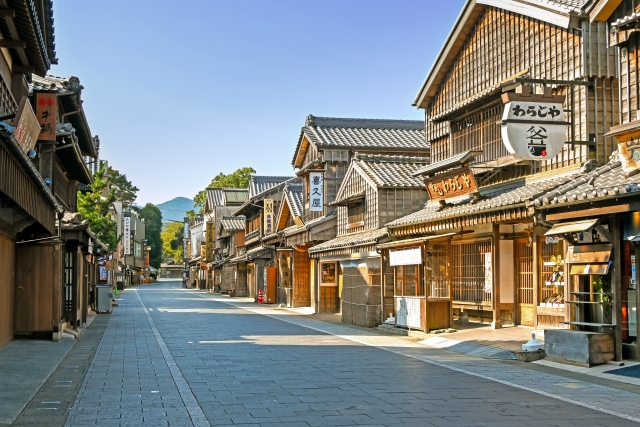
After visiting Naiku, take some time to explore Oharaimachi (おはらい町) and Okage Yokocho (おかげ横丁).
These traditional streets are located along the approach to Naiku and are among the most enjoyable places to explore in Ise.
The area is lined with wooden buildings, restaurants, souvenir shops, and small stores selling local specialties.
It’s a great place to experience a different side of Ise after spending time in the quiet shrine grounds.
What Is Oharaimachi?
Oharaimachi is a traditional street leading toward Naiku.
Its historic-style buildings and shops create an atmosphere that evokes the old pilgrimage town that once welcomed travelers heading to Ise.
Today, the street is a popular place to stroll, shop, and enjoy local food.
What Is Okage Yokocho?
Okage Yokocho is a small district within the Oharaimachi area that recreates the atmosphere of a traditional Japanese town.
It’s filled with shops, restaurants, and buildings inspired by historical architecture.
If you enjoy Japanese culture, traditional streets, and local food, it’s well worth exploring.
What to Eat in Ise
Here are a few local specialties to look out for:
Akafuku Mochi
Akafuku is one of Ise’s best-known sweets. It consists of soft rice cakes topped with sweet red bean paste.
It’s a classic treat to enjoy during a visit to Ise.
Ise Udon
Ise Udon is a local noodle dish featuring thick, soft udon noodles served with a rich, dark soy-based sauce.
Unlike many other udon dishes, it is typically served with relatively little broth.
Local Seafood
Ise is located near the sea, so seafood is another highlight of the region.
Depending on the season and restaurant, you may find dishes featuring fresh seafood from the surrounding area.
If you’re interested in Japanese food culture, the streets around Naiku are a pleasant place to sample local specialties and browse traditional shops.
The Unique Tradition of Shikinen Sengu: Rebuilding Every 20 Years
One of the most fascinating traditions at Ise Jingu is Shikinen Sengu (式年遷宮), the ritual rebuilding of the shrine buildings and the transfer of the enshrined deities to the newly constructed sanctuaries.
Approximately every 20 years, the main shrine buildings are reconstructed on adjacent sites, and sacred objects are transferred to the new buildings through a series of ceremonies.
This tradition has continued for more than 1,300 years.
But why rebuild a shrine that has stood for centuries?
The tradition is closely connected to the preservation of traditional craftsmanship, the transmission of religious practices, and the idea of renewal.
By rebuilding the structures regularly, traditional techniques are passed down from one generation of craftsmen to the next.
The result is a remarkable balance between continuity and renewal: the buildings are new, but the traditions remain deeply rooted in the past.
When Is the Next Shikinen Sengu?
The 63rd Shikinen Sengu is scheduled for 2033.
Preparations and related ceremonies began in 2025 and are expected to continue over several years.
If you’re interested in traditional Japanese architecture, craftsmanship, or religious culture, this period offers an opportunity to learn more about one of Japan’s most distinctive traditions.
The exact schedule of ceremonies and public events can vary, so check the official website before planning a visit around a particular event.
My Personal Experience Visiting Ise Grand Shrine
Living in Tokyo, Ise isn’t the easiest destination for me to visit spontaneously. I first traveled there as an adult.
I still remember the feeling I had after passing through the torii gate.
There was a sense of sacredness that I found difficult to put into words. It felt very different from visiting other shrines.
What stayed with me most was the deep connection between the shrine and the surrounding nature.
The towering trees, the quiet paths, and the simple wooden buildings created an atmosphere that felt far removed from everyday life.
Ise Jingu is not simply a place where you look at beautiful architecture or learn about Japanese history. It’s a place where you can experience a tradition that continues to be part of people’s lives today.
As I walked through the grounds, I found myself thinking about the people who had made the same journey centuries ago.
During the Edo period, traveling to Ise was a dream for many ordinary people. Some spent weeks on the road to reach the shrine.
I wondered whether those travelers had felt the same sense of awe that I experienced.
Of course, we cannot know exactly what they felt. But standing in the same sacred landscape made the long history of pilgrimage feel surprisingly close.
For me, that was one of the most memorable aspects of visiting Ise Grand Shrine.
Is Ise Grand Shrine Worth Visiting?
If you’re interested in Japanese culture, history, and spirituality, Ise Grand Shrine is a destination worth considering for your Japan trip.
It’s particularly rewarding for travelers who want to explore a side of Japan beyond its major cities and famous sightseeing spots.
Visiting Ise is not just about seeing an old shrine. It’s an opportunity to learn about Shinto, traditional craftsmanship, Japanese pilgrimage culture, and the relationship between people and nature.
I recommend visiting both Geku and Naiku, taking your time to walk through the forest, and exploring Oharaimachi and Okage Yokocho afterward.
And if you have the opportunity to stay overnight, you can enjoy Ise at a more relaxed pace.
For me, Ise Jingu remains one of those places that is difficult to fully explain in words.
Sometimes, the best way to understand a place is simply to visit it yourself.
Frequently Asked Questions About Ise Grand Shrine
Is Ise Grand Shrine Free to Visit?
Yes. Admission to the main shrine precincts of Geku and Naiku is free.
What Is the Correct Order to Visit Ise Grand Shrine?
The traditional order is to visit Geku (Outer Shrine) first, followed by Naiku (Inner Shrine).
How Long Does It Take to Visit Ise Grand Shrine?
Allow around 3–4 hours for both main shrines, including travel between them. If you also want to explore Oharaimachi and Okage Yokocho, plan for approximately 4–6 hours.
Can I Visit Ise Grand Shrine from Tokyo in One Day?
It is possible to make a long day trip from Tokyo, but the journey takes considerable time. If you want to visit both shrines and enjoy the surrounding area, an overnight stay is more comfortable.
What Is the Best Time to Visit Ise Grand Shrine?
Ise Jingu can be visited throughout the year. Spring and autumn are popular seasons for sightseeing, while the forest surroundings offer a different atmosphere in every season.
Early mornings can be especially peaceful, although the shrine may become busier during holidays and special events.
Can Tourists Take Photos Inside Ise Grand Shrine?
Photography is allowed in many outdoor areas, but it is prohibited at the designated worship area in front of the main sanctuary. Always follow posted signs and staff instructions.
What Should I Wear When Visiting Ise Grand Shrine?
There is no strict dress code for ordinary visitors. Comfortable shoes and respectful clothing are recommended because you’ll be walking along gravel paths and visiting an active place of worship.
Is Ise Grand Shrine a Shinto Shrine or a Buddhist Temple?
Ise Jingu is a Shinto shrine. Shinto is a religious tradition rooted in the worship of kami, or sacred beings and deities, and is distinct from Buddhism.