
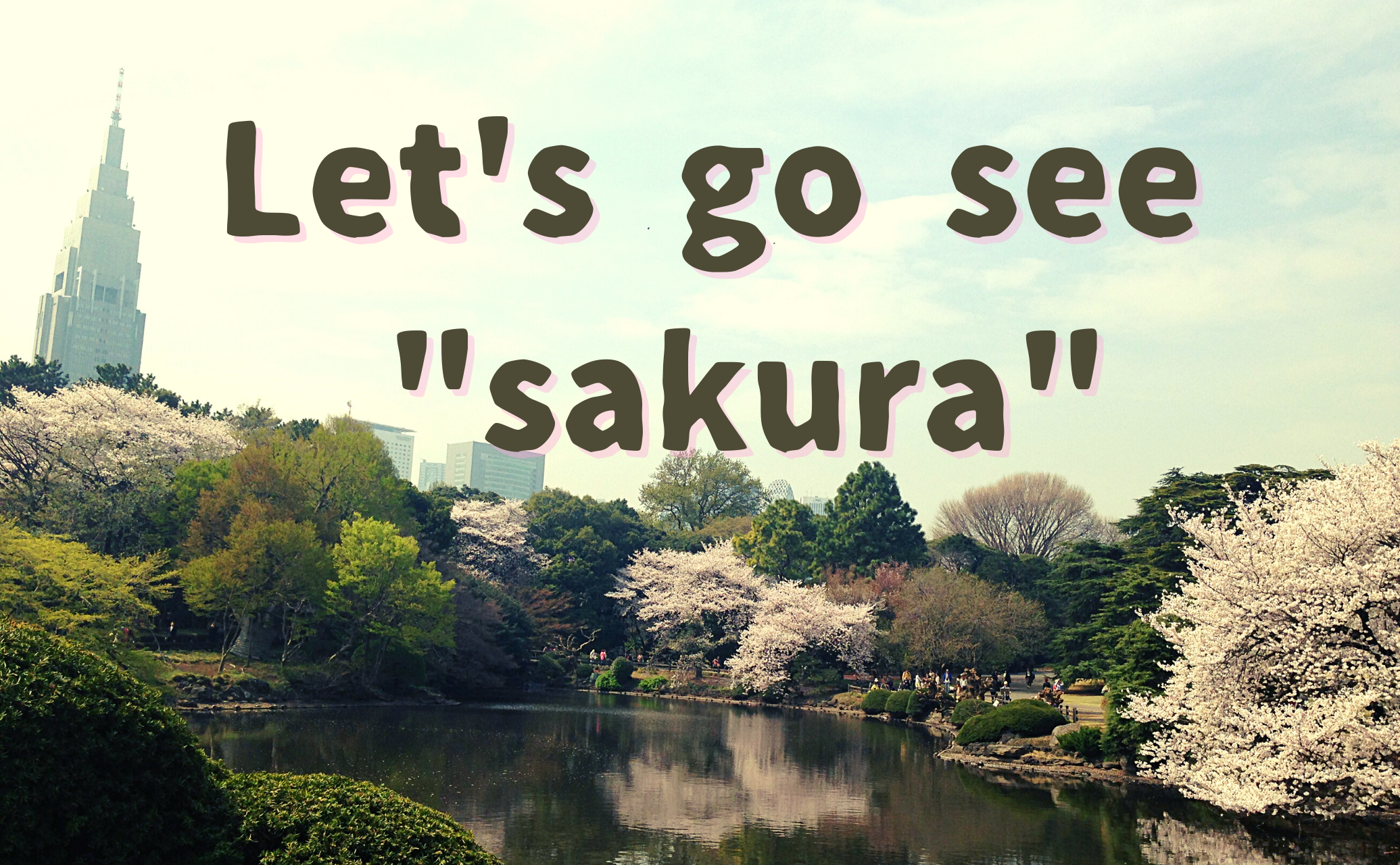
Japanese People and Sakura
Sakura (cherry blossoms) are deeply woven into modern Japanese life.
Every year from around February, TV weather forecasts begin predicting when sakura will bloom. Most people in Japan know roughly when cherry blossoms will open in their region. During this season, conversations naturally turn to sakura — “They’ve already bloomed,” or “They’ll bloom soon this year.”
Sakura bloom for less than two weeks, and the sight of petals falling like pink snow is often compared to the fleeting nature of human life. Because of this, sakura are often said to reflect Japanese ideas about beauty, impermanence, and appreciation of the present moment.
When Is the Best Time to See Sakura?
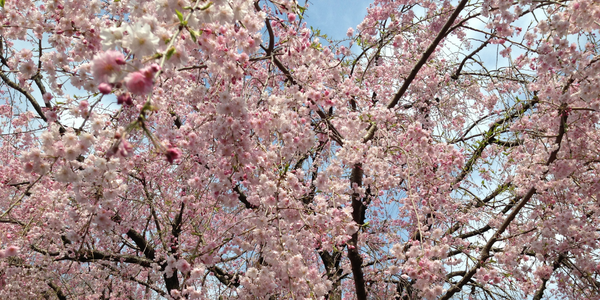
Japan stretches long from north to south, with climates ranging from subtropical to subarctic. Because of this, cherry blossom timing varies greatly by region.
The sakura most people imagine is Somei Yoshino, which blooms across most of Japan. However, there are actually more than 100 varieties of cherry blossoms, each with different blooming periods.
Typical bloom timing (varies each year):
- Western Japan, Kyoto, Tokyo: Late March – Early April
- Tohoku Region: Mid April – Early May
- Hokkaido: Early May – Mid May
Bloom forecasts are only guidelines. Peak bloom often lasts only a few days.
If you stay in Japan for two weeks, you have a good chance of seeing sakura somewhere. But if your trip is short, timing can be challenging.
The Culture of Hanami (Cherry Blossom Viewing)
Viewing sakura is called hanami.
This custom began around the 700s as an aristocratic cultural event. Today, it is enjoyed by everyone.
People enjoy hanami in many ways:
- Stopping to admire blossoms near home
- Picnicking with family or friends
- Company hanami parties
- Traveling to famous sakura viewing spots
There is no “correct” way — enjoying sakura in your own style is part of the tradition.
Sakura Season Crowds: Especially in Kyoto
Sakura season is one of the busiest travel periods in Japan.
Kyoto becomes extremely crowded because visitors want to see cherry blossoms with historic scenery.
How to Avoid Crowds When Visiting Kyoto
1️⃣ Stay in Osaka
Osaka is about 30 minutes from Kyoto by train. During sakura season:
- Kyoto hotels become expensive
- Rooms sell out quickly
- Osaka hotels are usually easier to book
Plus, Osaka is famous for food culture — perfect for dinner after sightseeing.
2️⃣ Choose Easily Accessible Sakura Spots
During peak season, Kyoto traffic is extremely crowded. On weekends, walking can sometimes be faster than buses or taxis.
Choosing places accessible by train or subway helps avoid congestion.
Recommended Kyoto Sakura Spots (Good Access)
🌸 Daigoji Temple
About a 10-minute walk from Daigo Station (Subway Tozai Line).
A UNESCO World Heritage temple with impressive architecture and beautiful cherry blossoms.
🌸 Ninnaji Temple
About a 15-minute walk from Hanazono Station (JR Sagano Line).
Famous for Omuro-zakura, which bloom later than most cherry blossoms — usually late April.
Famous but Crowded Sakura Spots in Tokyo
Popular places include:
- the Imperial Palace
- Ueno Park
- Shinjuku Gyoen
- Meguro River
All are beautiful — but very crowded during peak bloom.
A “Secret” Tokyo Sakura Spot
🌸 Shakujii River
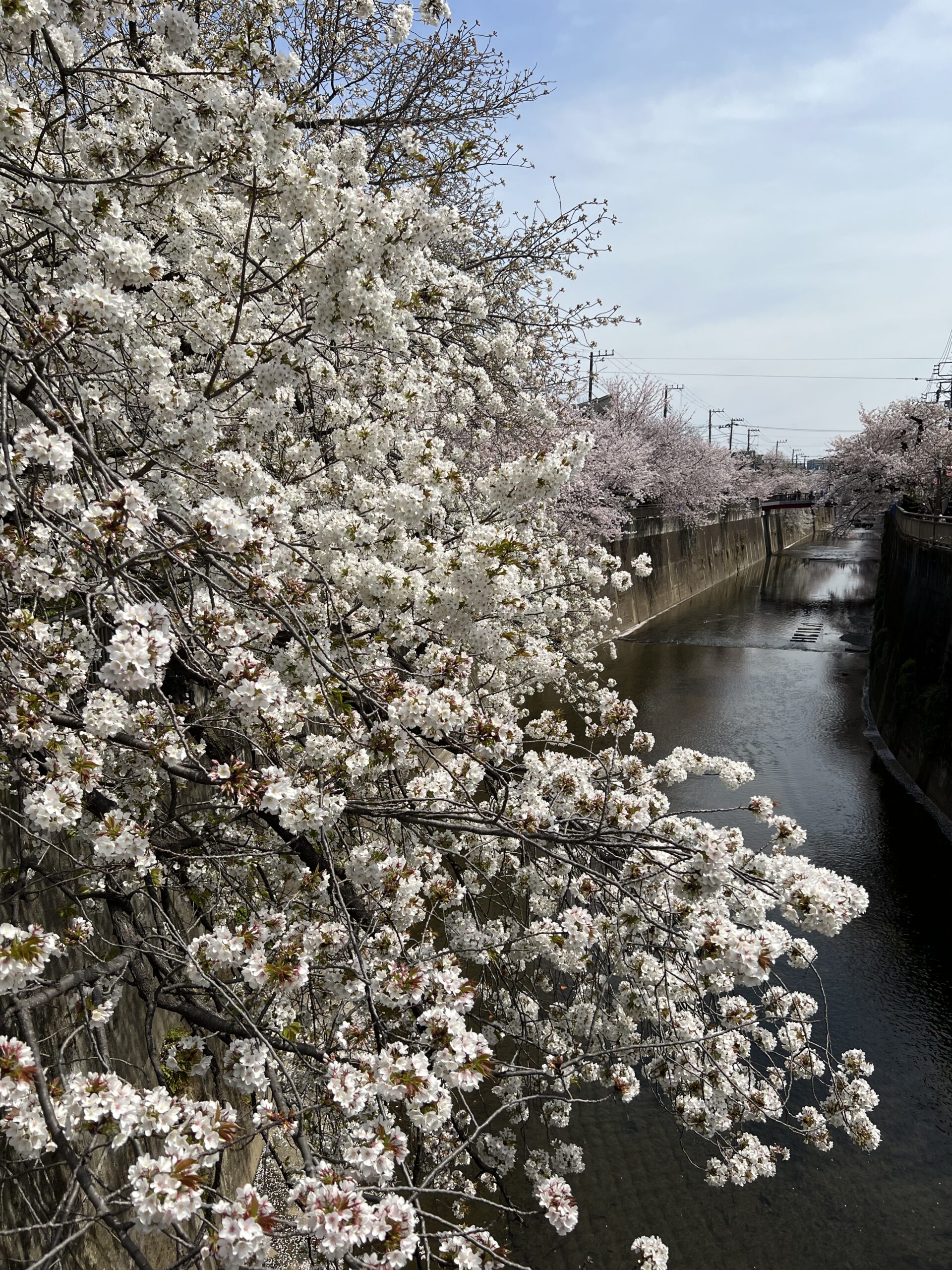
About a 5-minute walk from Naka-Itabashi Station (Tobu Tojo Line).
Cherry trees line both sides of the river, and you can walk along the blossoms toward Tokiwadai Station. It’s much less crowded, making it perfect for a relaxed hanami walk.
Why Sakura Matter So Much in Japan
Sakura are more than flowers — they represent Japanese culture and seasonal life.
You can:
- Visit the same tree every year
- Or travel somewhere new to see different blossoms
Either way, sakura season is one of Japan’s most memorable experiences.