

Shinjuku is one of the most famous areas of Tokyo, and for many travelers, it is one of the first places they visit.
It has everything you might imagine when you think of a big Japanese city: towering skyscrapers, department stores, neon lights, busy streets, restaurants, and an enormous train station.
But Shinjuku is more than just a shopping and entertainment district.
You can explore the lively streets of Kabukicho, enjoy a peaceful walk in Shinjuku Gyoen National Garden, admire the Tokyo skyline from the Tokyo Metropolitan Government Building, or discover the nostalgic atmosphere of Golden Gai.
Shinjuku also has different personalities depending on which direction you go. The east side is known for shopping and nightlife, while the west side has a more business-oriented atmosphere with skyscrapers and office buildings.
In this guide, I’ll introduce Shinjuku’s main attractions, shopping areas, transportation, and practical tips to help you explore the neighborhood.
And as someone who has lived in Tokyo and actually worked in Shinjuku, I’ll also share my personal thoughts on this fascinating, but sometimes overwhelming, part of the city.
- What Makes Shinjuku Special?
- How to Get to Shinjuku
- Shinjuku Station: A Huge Transportation Hub
- East Exit, West Exit & South Exit
- The East-West Passage
- Best Things to Do in Shinjuku
- 1. Kabukicho: Tokyo’s Famous Entertainment District
- 2. Shinjuku Golden Gai: A Nostalgic Nightlife Area
- 3. Tokyo Metropolitan Government Building: A Free View of Tokyo
- 4. Shinjuku Central Park: A Green Space Among Skyscrapers
- 5. Shinjuku Gyoen National Garden: A Peaceful Escape
- 6. Takashimaya Times Square: Shopping & Dining
- 7. Tokyo’s Department Stores: Isetan Shinjuku
- 8. Hotel Gracery Shinjuku: Meet Godzilla
- 9. Shinjuku’s Character Shops
- Shopping, Food & Local Experiences
- Practical Tips for Visiting Shinjuku
- Shinjuku, From My Heart
- Explore More of Tokyo
- Final Thoughts: Is Shinjuku Worth Visiting?
What Makes Shinjuku Special?
Shinjuku is one of Tokyo’s major commercial and transportation hubs.
The area is particularly famous for its enormous train station, shopping facilities, entertainment districts, and skyscrapers.
However, Shinjuku is not just one uniform neighborhood.
East Shinjuku: Shopping, Entertainment & Nightlife
The east side of Shinjuku is one of the busiest parts of Tokyo.
Here, you’ll find department stores, fashion shops, restaurants, cinemas, and entertainment facilities.
It is also home to Kabukicho, one of Japan’s best-known nightlife districts.
If you enjoy shopping, exploring busy streets, or experiencing Tokyo’s energetic atmosphere, east Shinjuku is a great place to start.
West Shinjuku: Skyscrapers & Business District
West Shinjuku has a completely different atmosphere.
This area is known for its impressive skyscrapers, office buildings, hotels, and the Tokyo Metropolitan Government Building.
Compared with the east side, it generally feels more business-oriented.
However, there are also places where you can escape the crowds, including Shinjuku Central Park.
If you prefer a quieter atmosphere or want to see Tokyo from above, west Shinjuku is worth exploring.
Shinjuku 2-chome: Tokyo’s LGBTQ+ Neighborhood
Shinjuku 2-chome, commonly called Ni-chome, is one of Tokyo’s best-known LGBTQ+ districts.
The neighborhood has a concentration of LGBTQ+ bars, clubs, and other establishments, particularly for gay men.
It is an important part of Tokyo’s LGBTQ+ culture and nightlife.
If you are interested in learning more about LGBTQ+ life in Japan, Shinjuku 2-chome is a fascinating area to explore.
However, individual venues have their own atmosphere, rules, and opening hours, so it is worth checking before visiting.
How to Get to Shinjuku
Shinjuku Station is one of Tokyo’s major transportation hubs.
Several railway companies and subway lines serve the area, making it easy to reach from different parts of Tokyo.
Major Train Lines
The following lines serve Shinjuku Station or nearby stations:
- JR Yamanote Line
- JR Chuo Line
- JR Sobu Line
- JR Saikyo Line
- JR Shonan-Shinjuku Line
- Tokyo Metro Marunouchi Line
- Toei Shinjuku Line
- Toei Oedo Line
- Odakyu Line
- Keio Line
Depending on your destination, you may need to use a different station or exit.
For example, Shinjuku Station is convenient for shopping and sightseeing, while Shinjuku-sanchome Station is useful for visiting Shinjuku Gyoen and the surrounding shopping area.
Getting to Shinjuku from Tokyo Station
The JR Chuo Line is one of the easiest ways to travel between Tokyo Station and Shinjuku Station.
The journey takes approximately 15 minutes on a rapid train, depending on the service.
Getting to Shinjuku from Shibuya
The JR Yamanote Line connects Shibuya and Shinjuku.
The journey takes approximately 5–7 minutes.
Getting to Shinjuku from Narita Airport
The Narita Express (N’EX) provides direct train service between Narita Airport and Shinjuku.
The journey generally takes around 80–90 minutes, depending on the train.
If you are traveling with a lot of luggage, allow extra time to navigate Shinjuku Station.
Getting to Shinjuku from Haneda Airport
You can travel from Haneda Airport to Shinjuku by train with a transfer.
Airport limousine buses also connect Haneda Airport with hotels and other destinations in the Shinjuku area.
Check the latest schedules and routes before traveling, especially if you are arriving late at night.
Shinjuku Station: A Huge Transportation Hub
Shinjuku Station is famous for its enormous size and complicated layout.
It is one of the busiest railway stations in the world, and it can be confusing even for people who live in Tokyo.
The station serves multiple railway companies and subway lines, with numerous ticket gates, passageways, and exits.
East Exit, West Exit & South Exit
Shinjuku Station has several major exits, and choosing the right one can save you a considerable amount of walking.
East Exit
The east exit is convenient for:
- Kabukicho
- Shinjuku’s main shopping streets
- Isetan department store
- Shinjuku Golden Gai
- The eastern entertainment district
West Exit
The west exit is convenient for:
- Tokyo Metropolitan Government Building
- Shinjuku Central Park
- The skyscraper district
- Many business hotels
South Exit
The south side is convenient for:
- Takashimaya Times Square
- Shopping and restaurants
- Shinjuku Southern Terrace
- The area around the bus terminal
The best exit depends on where you are going.
The East-West Passage
Shinjuku Station has an east-west passage that makes it easier to travel between the two sides of the station.
This is particularly useful if you want to move from the east side to the west side without going outside.
However, Shinjuku Station is still complicated.
My advice is to check your destination and the station exit before you start walking.
If you are meeting someone, agree on a specific exit or landmark rather than simply saying “Shinjuku Station.”
And if you need to change trains, allow extra time.
Best Things to Do in Shinjuku
Shinjuku has plenty of attractions, from busy entertainment districts to peaceful gardens.
Here are some of the places I recommend exploring.
1. Kabukicho: Tokyo’s Famous Entertainment District
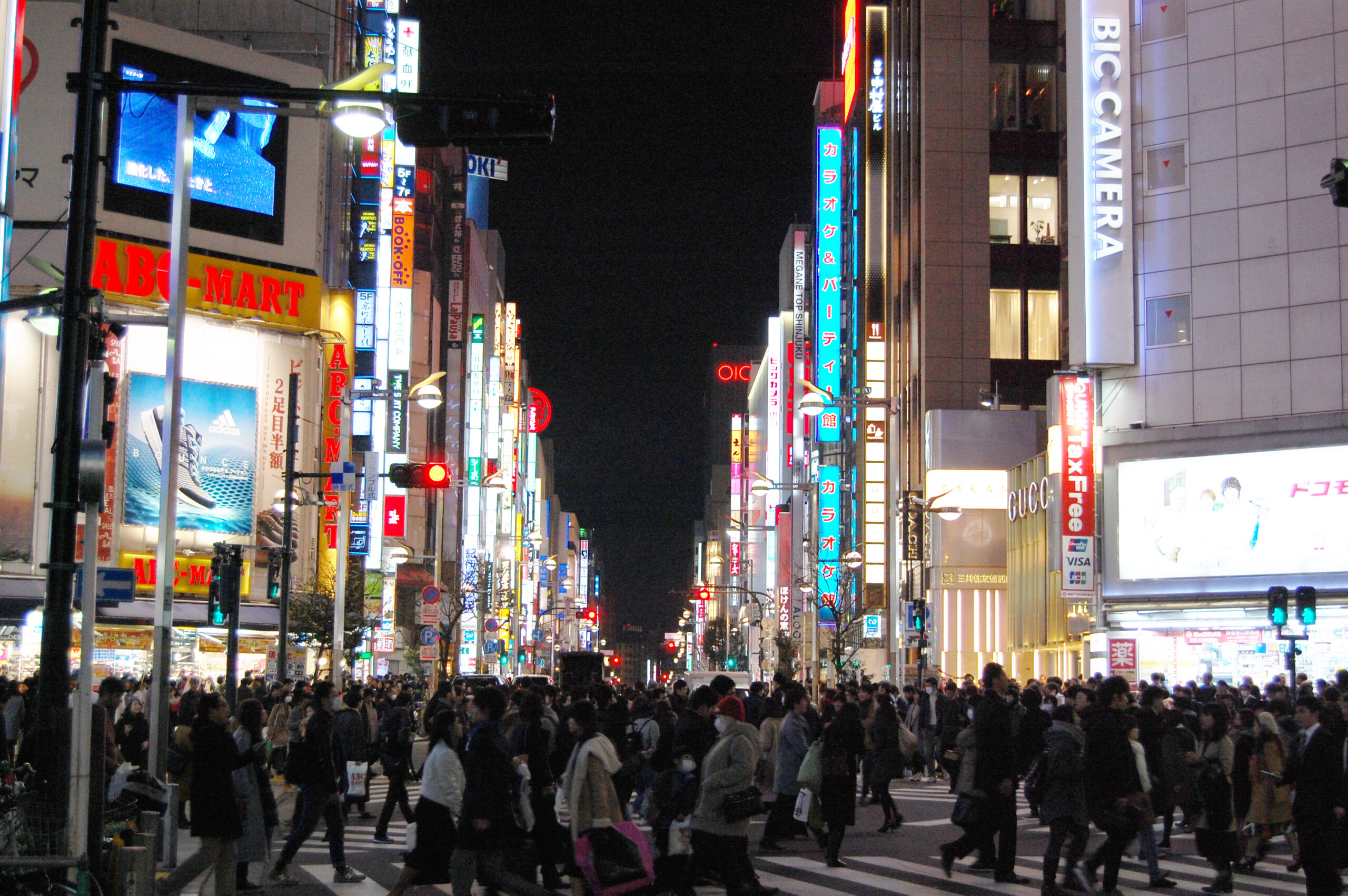
Kabukicho is one of Japan’s best-known entertainment districts.
The area is filled with restaurants, bars, cinemas, karaoke establishments, and other nightlife venues. At night, neon signs illuminate the streets, creating the kind of Tokyo atmosphere that many visitors imagine before arriving in Japan.
One of Kabukicho’s most recognizable landmarks is the Shinjuku Toho Building. A giant Godzilla head sits on the building, making it a popular photo spot. The building also houses Hotel Gracery Shinjuku, which is known for its Godzilla-themed features. If you are a Godzilla fan, it is worth stopping by.
Kabukicho is also home to numerous restaurants and entertainment facilities, so you can easily spend an evening exploring the area.
However, be careful around establishments that approach you on the street.
Some touts may try to guide tourists into bars or clubs with unclear pricing.
I recommend choosing restaurants and bars yourself rather than following someone who approaches you.
Kabukicho is an interesting place to see, but you do not need to visit every part of it to enjoy Shinjuku.
2. Shinjuku Golden Gai: A Nostalgic Nightlife Area
Shinjuku Golden Gai is located near Kabukicho.
Unlike the large entertainment establishments in the surrounding area, Golden Gai is known for its narrow streets and small bars.
Many buildings have a nostalgic atmosphere, and the neighborhood has a distinctive character.
It is particularly popular with visitors who want to experience a more intimate side of Tokyo nightlife. Some bars are very small and may have limited seating. Others may have cover charges or restrictions on customers.
If you want to visit, check the establishment’s rules before entering.
Golden Gai is also an interesting place to walk around and take photographs, even if you do not plan to drink.
3. Tokyo Metropolitan Government Building: A Free View of Tokyo
The Tokyo Metropolitan Government Building is one of the most recognizable landmarks in west Shinjuku.
The building has observation decks where visitors can enjoy views of Tokyo.
One of the best things about this attraction is that admission to the observation decks is free. On a clear day, you may be able to see Mount Fuji. The view is particularly impressive when you look across the city and see how far Tokyo’s urban landscape extends.
The building is also a convenient place to visit if you are exploring the west side of Shinjuku.
Check the official website for current opening hours, closures, and observation deck information before your visit.
4. Shinjuku Central Park: A Green Space Among Skyscrapers
Shinjuku Central Park is located near the Tokyo Metropolitan Government Building.
It is a public park surrounded by skyscrapers. The contrast between the modern buildings and the greenery makes it an interesting place to explore.
If you have spent several hours shopping or walking around Shinjuku, the park is a good place to take a break.
It is also a convenient stop if you are visiting the Tokyo Metropolitan Government Building.
You can enjoy a short walk, sit down, and take a break from the busy streets.
5. Shinjuku Gyoen National Garden: A Peaceful Escape
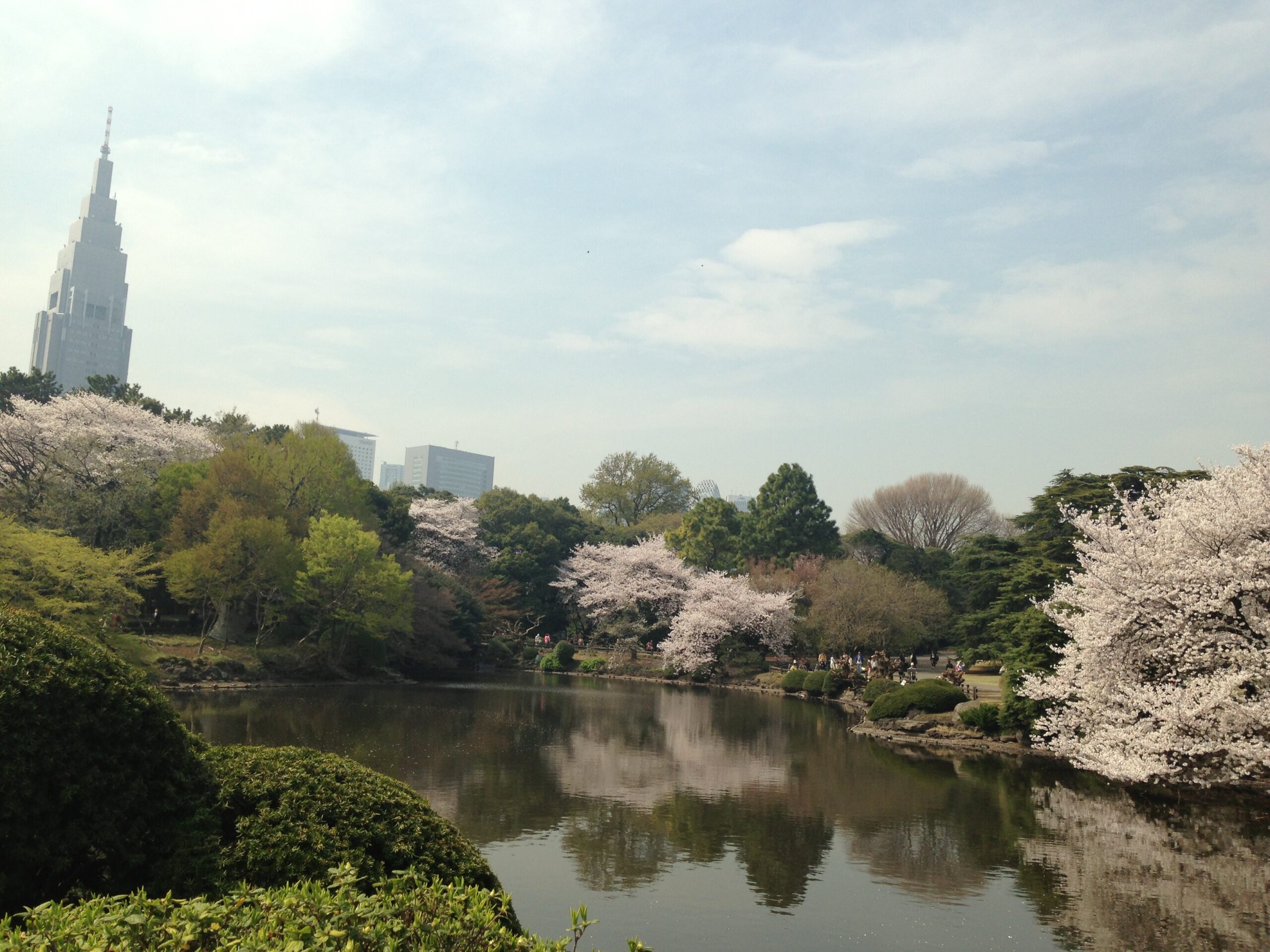
Shinjuku Gyoen National Garden is one of Tokyo’s most beautiful green spaces.
It is particularly famous for its cherry blossoms in spring, but the garden is worth visiting throughout the year.
The grounds combine Japanese, English landscape, and French formal garden styles. You can enjoy wide lawns, ponds, seasonal flowers, and peaceful walking paths.
Although Shinjuku is known for its crowds, the garden offers a completely different atmosphere. It is a wonderful place to slow down and enjoy nature.
During cherry blossom season, the garden becomes particularly popular.
If you visit in spring, check the latest information about admission, reservations, and seasonal restrictions.
Shinjuku Gyoen is also a great place for travelers who want to experience a quieter side of Tokyo without leaving the city center.
6. Takashimaya Times Square: Shopping & Dining
Takashimaya Times Square is a large shopping complex located near Shinjuku Station’s south side.
It includes a department store, restaurants, and various shops.
The building is particularly convenient if you want to enjoy shopping without navigating the busiest streets around the east exit.
You can find fashion, cosmetics, household goods, and other products.
There are also restaurants and cafés where you can take a break.
If you enjoy department stores in Japan, Takashimaya is worth adding to your Shinjuku itinerary.
7. Tokyo’s Department Stores: Isetan Shinjuku
Isetan Shinjuku is another famous department store.
It is particularly well known for fashion, cosmetics, and food.
The food section in the basement, often called a depachika, is a great place to explore Japanese sweets, prepared foods, and other specialties.
If you are looking for gifts or want to experience Japanese department-store shopping, Isetan is a good choice.
The area around Isetan is also convenient for exploring the east side of Shinjuku.
8. Hotel Gracery Shinjuku: Meet Godzilla

Hotel Gracery Shinjuku is located in the Shinjuku Toho Building, in the Kabukicho area.
The hotel is famous for its Godzilla-themed features.
A giant Godzilla head overlooks the surrounding streets, and the building has become one of Shinjuku’s most recognizable landmarks.
Even if you are not staying at the hotel, you can enjoy seeing Godzilla from the surrounding area.
If you are a fan of the character, you may want to check the hotel’s current visitor policies before planning a visit to any guest-only areas.
9. Shinjuku’s Character Shops
Shinjuku is also a great place to shop for Japanese character merchandise.
You can find stores selling products related to Disney, Sanrio, anime, manga, and other popular characters.
The Disney Store Shinjuku is a convenient stop for Disney fans.
There are also Sanrio shops and other character-related stores around the shopping district.
If you are interested in Japanese pop culture, Shinjuku is worth exploring.
For more character shopping ideas, see my guide to Tokyo’s character cafés and shops.
Shopping, Food & Local Experiences
Shinjuku is one of Tokyo’s best shopping destinations.
You can find large department stores, fashion shops, electronics, character merchandise, restaurants, and cafés.
Department Stores & Shopping
Shinjuku has several major department stores, including:
- Isetan Shinjuku
- Takashimaya Times Square
- Keio Department Store
- Odakyu Department Store
Each has its own atmosphere and selection.
The department stores are particularly convenient for shopping for Japanese cosmetics, fashion, food, and gifts.
If you enjoy exploring Japanese food culture, do not miss the basement food floors. You can find beautifully prepared dishes, sweets, seasonal products, and gift boxes.
Restaurants & Cafés
Shinjuku has an enormous range of restaurants.
You can find ramen, sushi, Japanese set meals, cafés, international cuisine, and casual dining.
The area around the station is especially convenient if you want to eat before or after sightseeing.
However, popular restaurants can become crowded during lunch and dinner.
If you have a specific restaurant in mind, check its opening hours and reservation policy.
Practical Tips for Visiting Shinjuku
Shinjuku is easy to reach, but it can be overwhelming for first-time visitors.
Here are a few tips to make your visit more comfortable.
1. Allow Extra Time at Shinjuku Station
Shinjuku Station is enormous.
Even if your train journey is short, finding the correct exit can take time.
If you are meeting someone or changing trains, allow extra time.
Checking the station map before arriving can make a big difference.
2. Choose Your Hotel Location Carefully
Shinjuku has many hotels, but the atmosphere varies considerably depending on the location.
The west side is generally quieter at night because of its business district.
The east side is more lively, especially around Kabukicho.
If you prefer a quieter hotel environment, consider staying away from the busiest nightlife streets.
3. Be Careful Around Nightlife Areas
Kabukicho is a popular tourist destination, but it is also an entertainment district.
Avoid following street touts into bars or clubs.
Check prices and rules before entering an establishment.
If you are not interested in nightlife, there is no need to spend time in the busiest parts of Kabukicho.
4. Visit Shinjuku Gyoen During the Day
Shinjuku Gyoen is a wonderful place to relax.
However, it is not a late-night destination.
Check the official opening hours and admission information before visiting.
If you are planning to see cherry blossoms, expect larger crowds during the peak season.
5. Shinjuku Is Not a Shinkansen Station
If you are traveling to another region of Japan, remember that Shinjuku does not have Shinkansen service.
You will generally need to travel to Tokyo Station or Shinagawa Station for the bullet train.
If you are carrying luggage, allow enough time to make the transfer.
6. You Don’t Have to See Everything
Shinjuku is a huge area.
Trying to visit every attraction in one day can be tiring.
I recommend choosing a few places based on your interests.
For example:
- Shopping and character stores
- Skyscrapers and city views
- Gardens and nature
- Nightlife and entertainment
You can always return to Shinjuku on another day.
Shinjuku, From My Heart
I used to work in Shinjuku for a while.
Although I appreciate how convenient the area is, I have to be honest: Shinjuku is not one of my favorite places in Tokyo.
It is a great place for shopping. It is convenient for meeting friends because so many train lines connect there. And there are plenty of restaurants, cafés, and entertainment facilities.
But I find the crowds tiring.
Shinjuku can become particularly busy at night, especially on Friday evenings. After people finish work and head out to restaurants and bars, the streets around the station become crowded.
The atmosphere around Kabukicho and the east exit can be especially overwhelming. As someone who does not drink alcohol, I am not particularly drawn to the nightlife. I sometimes find it uncomfortable to walk through streets filled with people who have been drinking.
The west side feels different.
Because there are many office buildings, the atmosphere can become quieter at night.
If I were choosing a hotel in Shinjuku, I would personally consider the west side rather than staying right in the middle of the nightlife district.
That said, I understand why so many travelers love Shinjuku. It is convenient, exciting, and full of things to do. And even though it is not my favorite neighborhood, I still use it regularly.
Sometimes, a place does not have to be your favorite to be an important part of your life in Tokyo.
That is how I feel about Shinjuku.
Explore More of Tokyo
Shinjuku is a great starting point for exploring Tokyo, but each neighborhood has its own character.
If you want to discover more of the city, check out my other Tokyo area guides.
Final Thoughts: Is Shinjuku Worth Visiting?
Absolutely.
Even though Shinjuku is not my favorite neighborhood in Tokyo, I think it is worth visiting.
It offers a fascinating combination of shopping, entertainment, nightlife, skyscrapers, and peaceful green spaces.
You can experience the excitement of Kabukicho, enjoy the view from the Tokyo Metropolitan Government Building, explore Shinjuku Gyoen, or simply wander through the shopping streets.
The key is to choose the parts of Shinjuku that match your interests.
If you enjoy busy city life, shopping, and entertainment, you may love it.
If you prefer quieter neighborhoods, you can still enjoy Shinjuku’s gardens and west-side attractions without spending too much time in the busiest areas.
Shinjuku is not just one thing.
And that is what makes it such an interesting part of Tokyo.