
Planning a trip to Japan and wondering when the best season to visit is? Let me help you decide.
Japan is famous for its four distinct seasons, and honestly, each one has its own charm. That’s why choosing a single “best” season isn’t easy. That said, one thing is clear: summer is too hot, and winter is too cold for many travelers. So the real question becomes:
Spring or autumn—which is better for traveling in Japan?
Why You Should Visit Japan in Spring 🌸
1. Cherry Blossoms (Sakura)
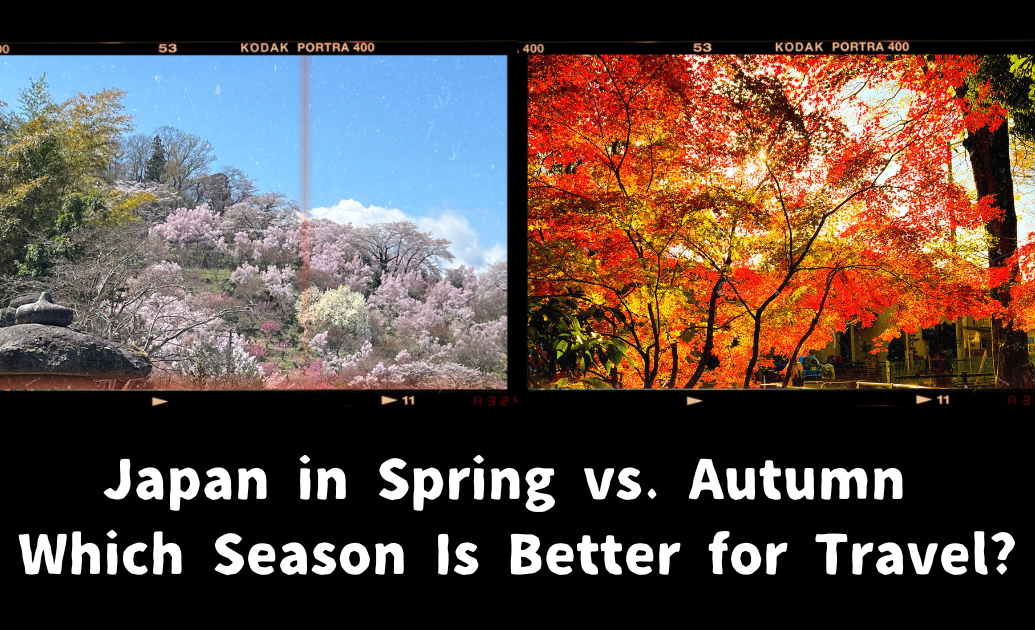
For many travelers, cherry blossoms are the reason to visit Japan. Even Japanese people look forward to sakura season every year. Parks, riversides, and streets turn soft pink, creating an unforgettable atmosphere.
2. Snow Melting Season
Spring offers a rare chance to enjoy both winter and spring scenery. In some regions, you can still see snow while flowers begin to bloom. A great example is the famous snow corridors, which are only accessible in spring.
Drawbacks of Traveling to Japan in Spring
1. Cherry Blossom Timing Is Tricky
Japan stretches long from north to south, so sakura bloom times vary by region. On top of that, weather conditions affect blooming every year, making it difficult to plan the perfect timing.
2. Cold Weather Can Linger Until March
Even in Tokyo, March can still feel like winter, and snow isn’t impossible. Checking the weather forecast and packing warm layers is essential.
Why You Should Visit Japan in Autumn 🍁
1. Stunning Autumn Leaves (Koyo)
Like cherry blossoms, autumn foliage is a seasonal highlight. Leaves start changing color in Hokkaido as early as October, while in Tokyo, you can often enjoy them until early December. The vibrant reds, yellows, and oranges are just as breathtaking as sakura.
2. Autumn Is the Season of Food
In Japan, autumn is known as “the season of appetite.” It’s harvest time, which means delicious ingredients everywhere:
- Sweet potatoes
- Chestnuts
- Freshly harvested rice
- Seasonal fish like pacific saury and salmon
If you’re planning a food-focused trip, autumn is hard to beat.
Drawbacks of Traveling to Japan in Autumn
1. Lingering Summer Heat
In recent years, summer seems to last longer in Japan. Even in mid-October, it can still feel uncomfortably hot—especially in cities.
2. Want to See Autumn Leaves in Kyoto? Be Careful
Kyoto during peak foliage season is extremely crowded. From around the third week of November to early December, accommodation prices skyrocket, and buses and roads are notoriously congested.
But Here’s the Real Problem…
Both spring and autumn are peak travel seasons for Japanese people too.
- Golden Week (late April to early May)
- Silver Week (usually late September)
During these holidays, hotels sell out quickly, prices rise sharply, and popular sightseeing spots are packed. If you’re visiting for cherry blossoms or autumn leaves, crowds are almost unavoidable.
My Secret Recommendation: The Best Season to Visit Japan ❄️
Honestly?
Winter.
Avoid the New Year holidays, and travel in early December or January–February. This is the off-season for tourism, which means:
- Lower accommodation and travel costs
- Fewer crowds
- Beautiful snowy landscapes
Winter is perfect if you want to see snow, enjoy hot springs (onsen), or simply travel more comfortably. And if you’re like me and think cold weather is better than extreme summer heat, winter might surprise you—in a good way.