
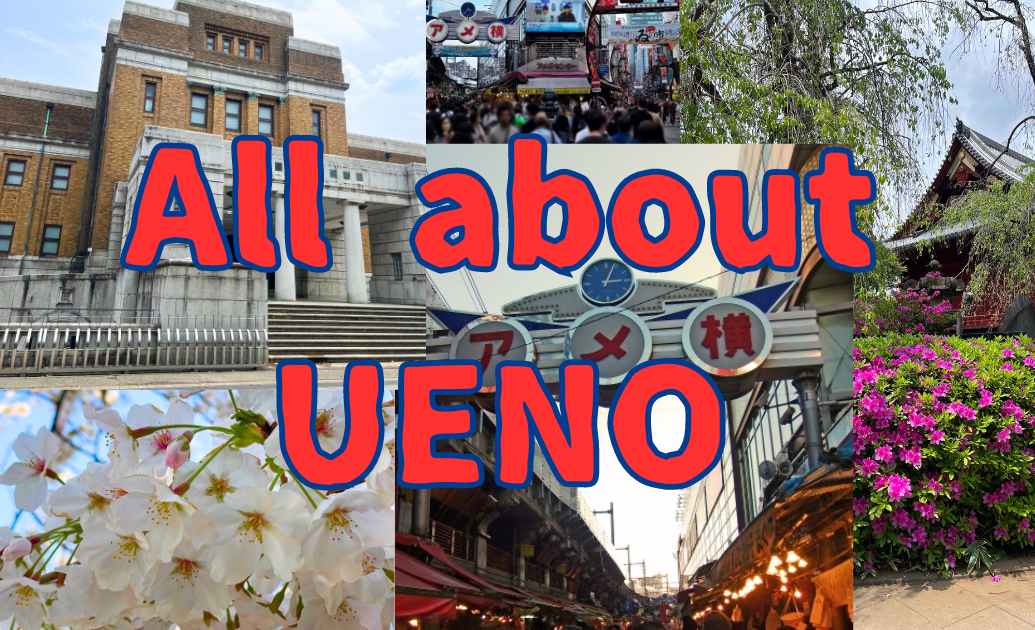
Ueno Station, located in eastern Tokyo, once served as the main gateway to northern Japan. Before Japan’s railway network expanded, travelers heading to the Tohoku region passed through Ueno. Later, as Tokyo Station became the primary terminus for many lines, Ueno seemed to lose its central role.
Yet even today, Ueno remains one of Tokyo’s most popular and fascinating areas. The reason is simple: Ueno has two completely different faces.
One is Ueno Park, a vast green space filled with museums, history, and culture.
The other is Ameyoko, a bustling shopping street that still retains the energetic, nostalgic atmosphere of the Showa era.
In this article, I’ll introduce the best of both worlds.
Ueno Park: History, Culture, and Nature
Ueno Park is built around Kan’eiji Temple, founded in 1625, and has long been famous as a cherry blossom viewing spot. In 1873, it became Japan’s first public park, marking the beginning of modern urban parks in the country.
Today, the park is home to some of Japan’s most important cultural institutions, including major museums and Ueno Zoo. Thanks to its size and variety, Ueno Park is a destination where you can easily spend an entire day.
Ueno Zoo: Japan’s Oldest Zoo
Opened in 1882, Ueno Zoo is the oldest zoo in Japan. Despite its central location in Tokyo, it preserves a surprisingly natural landscape and is home to around 3,000 animals representing approximately 300 species.
For many years, the zoo has been especially famous for its giant pandas, which have attracted visitors from all over Japan. However, the pandas at Ueno Zoo are scheduled to return to China in January 2026, in accordance with the terms of the international conservation program.
Even without pandas, Ueno Zoo remains a popular destination, particularly for families, thanks to its long history, diverse animal exhibits, and nostalgic atmosphere.
Tokyo National Museum: A Treasure House of Japanese History
Founded in 1872, the Tokyo National Museum is Japan’s oldest and largest museum. It consists of five main exhibition buildings—Honkan, Hyokeikan, Toyokan, Heiseikan, and the Gallery of Horyuji Treasures.
As of April 2023, the museum’s collection includes approximately 120,000 items, among them 89 National Treasures and 649 Important Cultural Properties. This means the museum holds about 10% of all National Treasures in Japan.
To fully appreciate the collection, you should allow at least three to four hours, and even that may feel rushed.
National Museum of Nature and Science
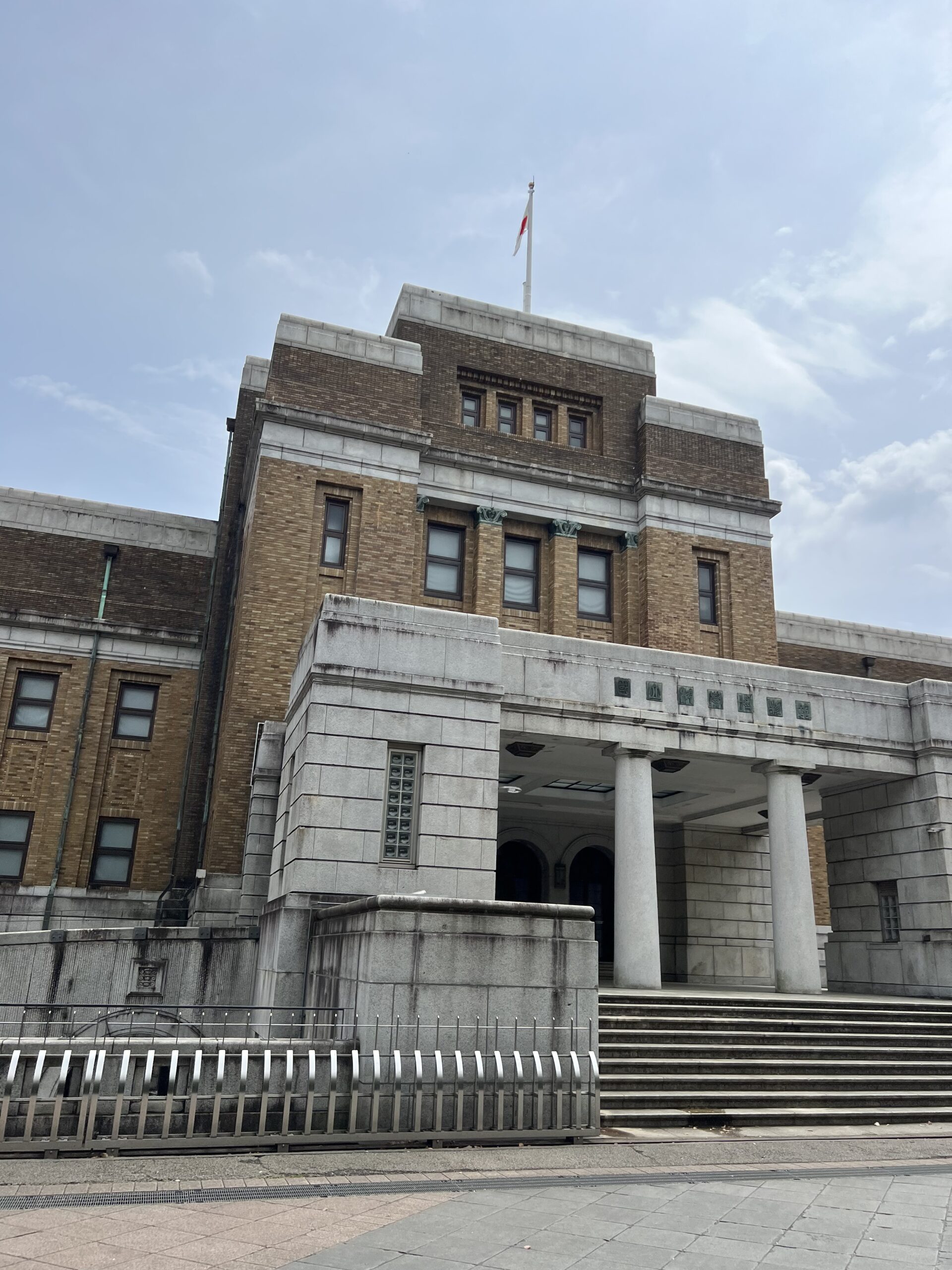
Established in 1877, the National Museum of Nature and Science is one of Japan’s oldest museums and the country’s only national museum dedicated to the history of nature, science, and technology.
As a leading institution in Asia, the museum supports research, education, and exhibitions. Its interactive displays make it enjoyable for both children and adults, and honestly, one full day is still not enough to see everything.
The National Museum of Western Art
Opened in 1959, the National Museum of Western Art is the only national museum in Japan devoted entirely to Western art. Its collection focuses on 19th- and early 20th-century paintings and sculptures collected in Europe by Japanese industrialist Kojiro Matsukata.
After World War II, his collection was seized by the French government and later returned on the condition that a new museum be built to house it. The building was designed by the famous French architect Le Corbusier and is now registered as a UNESCO World Heritage Site.
Cherry Blossoms in Ueno Park
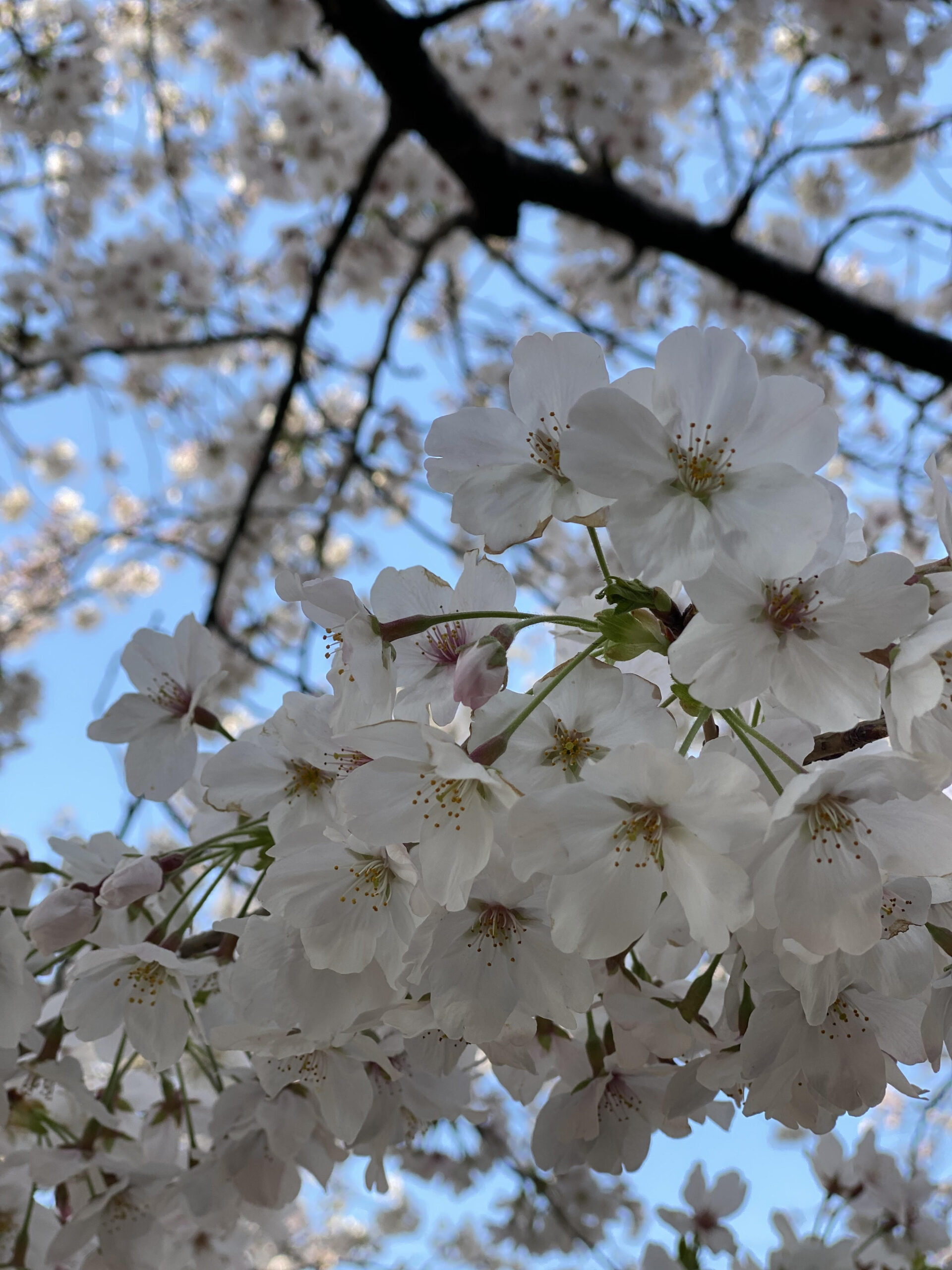
Ueno Park has been famous for cherry blossoms since the Edo period (1603–1868). With around 800 cherry trees, it is one of Tokyo’s most popular hanami spots.
During peak season, up to 3.3 million people visit the park. The atmosphere is lively and crowded, with groups eating, drinking, and celebrating under the trees. It’s not the best place for a quiet stroll, but it’s perfect for those who want to experience the energetic spirit of Japanese hanami culture.
Ameyoko Shopping Street (Ameya-Yokocho)
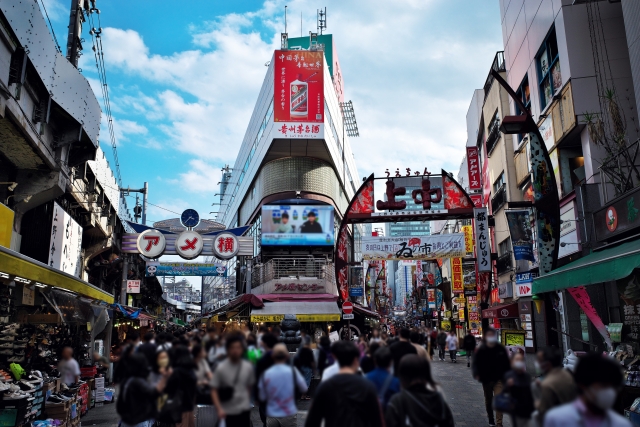
Ameyoko began as a black market in the difficult years following World War II. While much of eastern Tokyo was destroyed by air raids, this area became a symbol of recovery and resilience.
Stretching from Ueno Station to Okachimachi Station, Ameyoko is now one of Tokyo’s liveliest shopping streets. Grocery stores, clothing shops, cosmetics vendors, and snack shops line the narrow street.
At the end of the year, the area becomes especially crowded as locals shop for ingredients used in Osechi, traditional New Year dishes. Ameyoko is also a great place to enjoy street food and bargain shopping while soaking in a chaotic, energetic market atmosphere.
Ueno for Me: A Personal Memory
When I was a child, I visited Ueno Zoo many times. It was close to where I lived, but the pandas were definitely the biggest attraction. I still own a stuffed panda my mother bought for me at the zoo.
After visiting the zoo, I always looked forward to stopping by Ameyoko to buy candies. Even now, I can enjoy Ueno in the same way I did as a child. That timeless charm—where memories and everyday life overlap—is what makes Ueno truly special to me.