
When people think of Japan’s most iconic drink, many immediately imagine matcha. With its vibrant green color and Instagram-worthy lattes, matcha has become a global trend in recent years.
But in everyday Japanese life, the tea we are closest to is actually green tea (ryokucha).
While matcha was traditionally reserved for tea ceremonies, modern Japan has embraced it in desserts, sweets, and matcha lattes. In this article, I’ll introduce the world of Japanese tea — including the difference between matcha and other green teas, how Japanese tea is made, where it’s produced, and how tea culture shapes daily life in Japan.
What Is Japanese Tea?
In Japanese cuisine, tea is not optional — it’s essential.
Green tea is typically served before, during, or after meals. Even when alcohol accompanies dinner, it’s common to finish with tea. In more formal settings, such as traditional tea gatherings, tea itself becomes the main focus, and Japanese cuisine such as kaiseki developed alongside this culture.
Unlike many Western drinks, Japanese tea is almost always enjoyed without sugar or milk. The flavor is appreciated as it is — pure, natural, and balanced.
What Makes Japanese Tea Unique?
All true tea comes from the same plant, but processing methods create very different results.
Unlike black tea or oolong tea, Japanese tea is not fermented. To preserve the fresh green color and prevent oxidation, freshly harvested tea leaves are quickly steamed. This steaming process is what makes Japanese tea distinctive.
After steaming:
- Leaves that are dried and ground into powder become matcha.
- Leaves that are steamed, rolled, and then dried become loose-leaf green teas such as sencha.
- Differences in cultivation, shading, and steaming time produce varieties like:
- Gyokuro (rich and sweet, grown in shade)
- Sencha (the most common everyday green tea)
- Bancha (a more affordable daily tea)
- Hojicha (roasted green tea with a warm, nutty aroma)
Hojicha is unique because it is roasted until the leaves turn brown, creating a toasty fragrance and mild flavor.
Even though they all come from the same plant, the taste differences are surprisingly nuanced.
How Japanese People Drink Tea
Tea drinking styles vary greatly depending on the occasion.
In daily life:
- During meals, many people drink hojicha or bancha
- After meals, sencha is common
During a proper “tea time” or formal tea gathering, tea itself becomes the centerpiece. On these occasions, higher-grade teas such as gyokuro or matcha may be served.
Today, however, tea choices are more flexible than ever. Since bottled green tea became widely available in convenience stores and vending machines, people enjoy tea anytime, anywhere. Japan’s tea culture has become both traditional and modern at the same time.
Famous Japanese Tea Regions
Tea is produced throughout Japan (except in very cold regions), but several areas are especially famous:
- Shizuoka Prefecture – The largest tea-producing region in Japan. Tea cultivation here expanded after 1869, when former samurai began farming the land.
- Kagoshima Prefecture – The second-largest producer, known for high-quality tea.
- Uji (Kyoto Prefecture) – Famous for Uji tea, historically considered the heart of Japanese tea culture.
- Yame (Fukuoka Prefecture)
- Ureshino (Saga Prefecture)
- Sayama (Saitama Prefecture)
- Ise (Mie Prefecture)
Among these, Uji developed as a central tea region partly because of its proximity to Kyoto, where tea ceremony culture flourished.
What Is the Japanese Tea Ceremony?
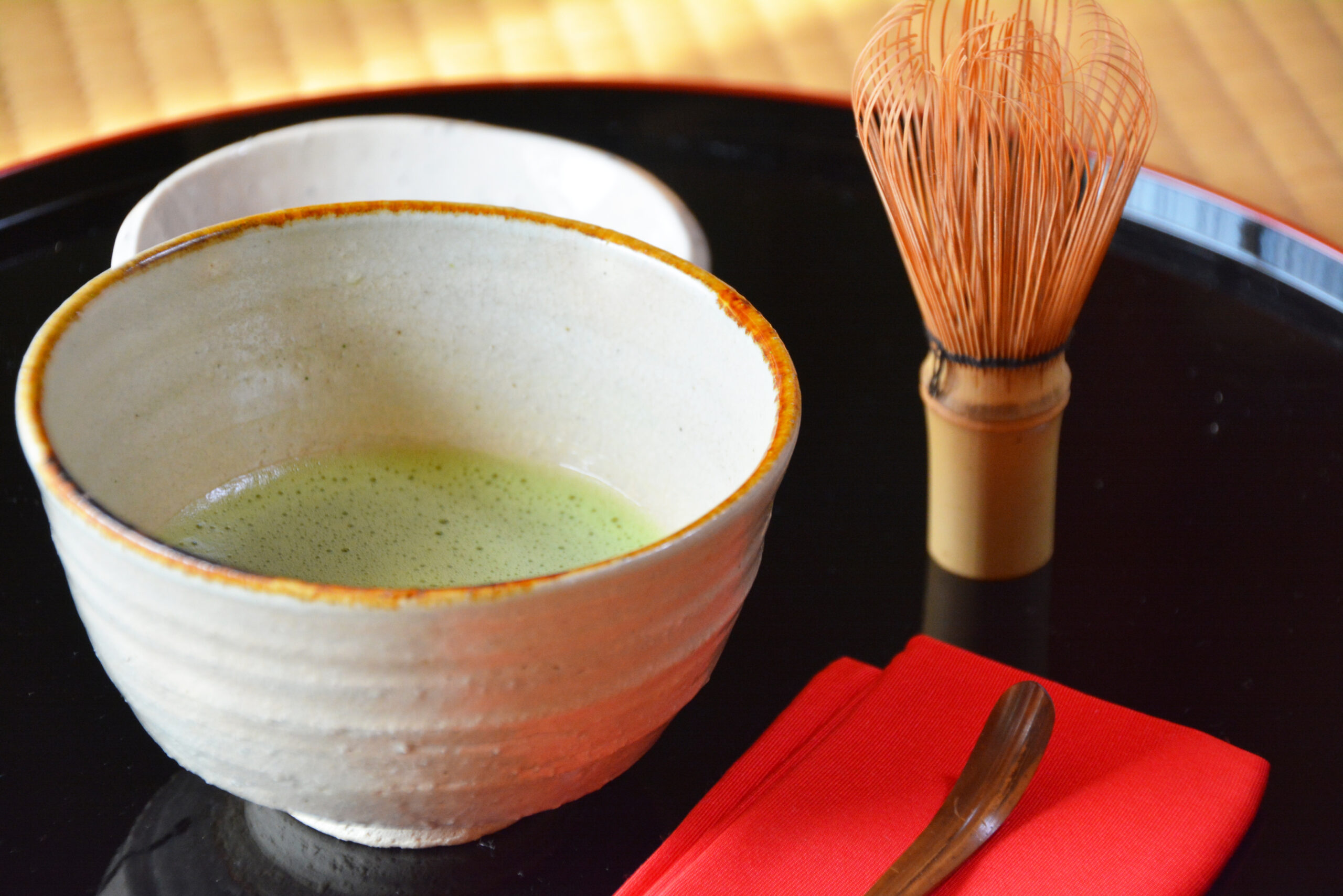
The Japanese tea ceremony, known as Japanese tea ceremony, is a traditional practice in which a host prepares and serves matcha to guests according to carefully prescribed rules.
But it is much more than just drinking tea.
There are detailed forms for:
- Preparing the tea (temae)
- Sitting and bowing
- Entering and leaving the tea room
- Appreciating tea utensils
- Serving traditional sweets
The tea ceremony combines hospitality, aesthetics, architecture, garden design, cuisine, and spiritual philosophy. It is often described as a “comprehensive art.”
The spirit of welcoming guests with sincerity — known today as omotenashi — is deeply connected to tea ceremony culture.
A Personal Note on Taste
Green tea and matcha naturally have bitterness — and that bitterness is part of their charm. In Japan, we do not add sugar to balance it. Since childhood, we drink green tea as it is, so many of us don’t even remember when we first acquired the taste.
Matcha is even more intense, which is why it is traditionally enjoyed with sweet Japanese wagashi. The sweetness balances the bitterness beautifully.
Today, matcha has expanded beyond tradition into desserts, cakes, ice cream, and matcha lattes. It has become both a symbol of heritage and a modern global flavor.
If you visit Japan, I encourage you to explore more than just matcha lattes. Try sencha in a quiet café, sip hojicha after a meal, or experience a tea ceremony in Kyoto.
Japanese tea is not just a drink — it’s a window into Japanese culture.